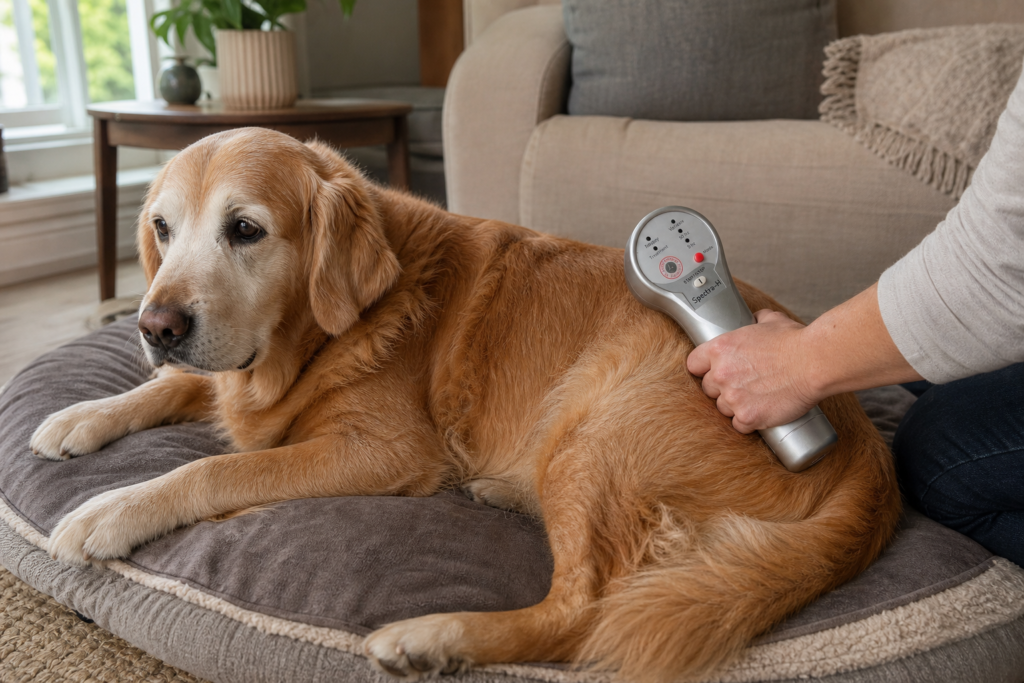
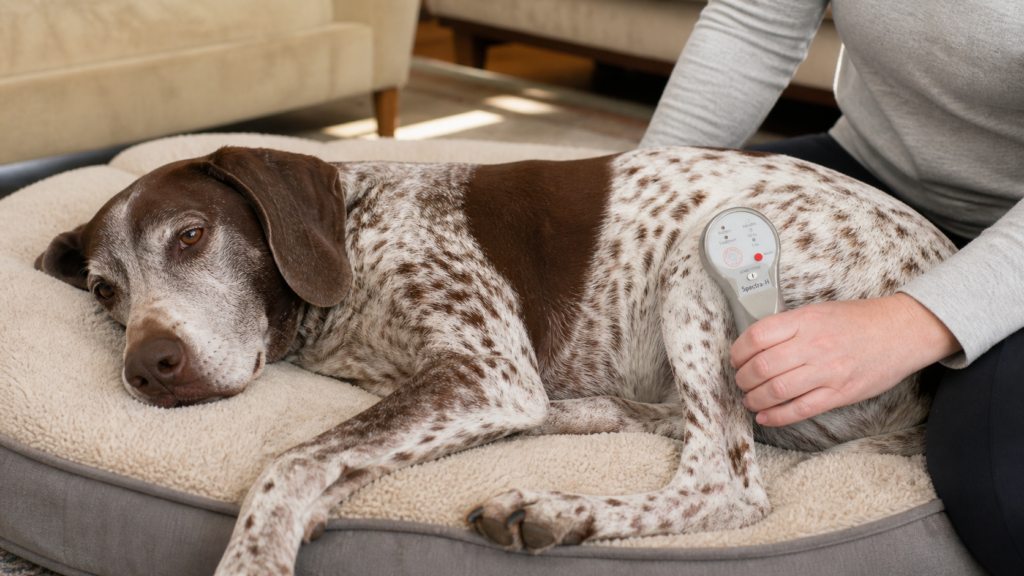
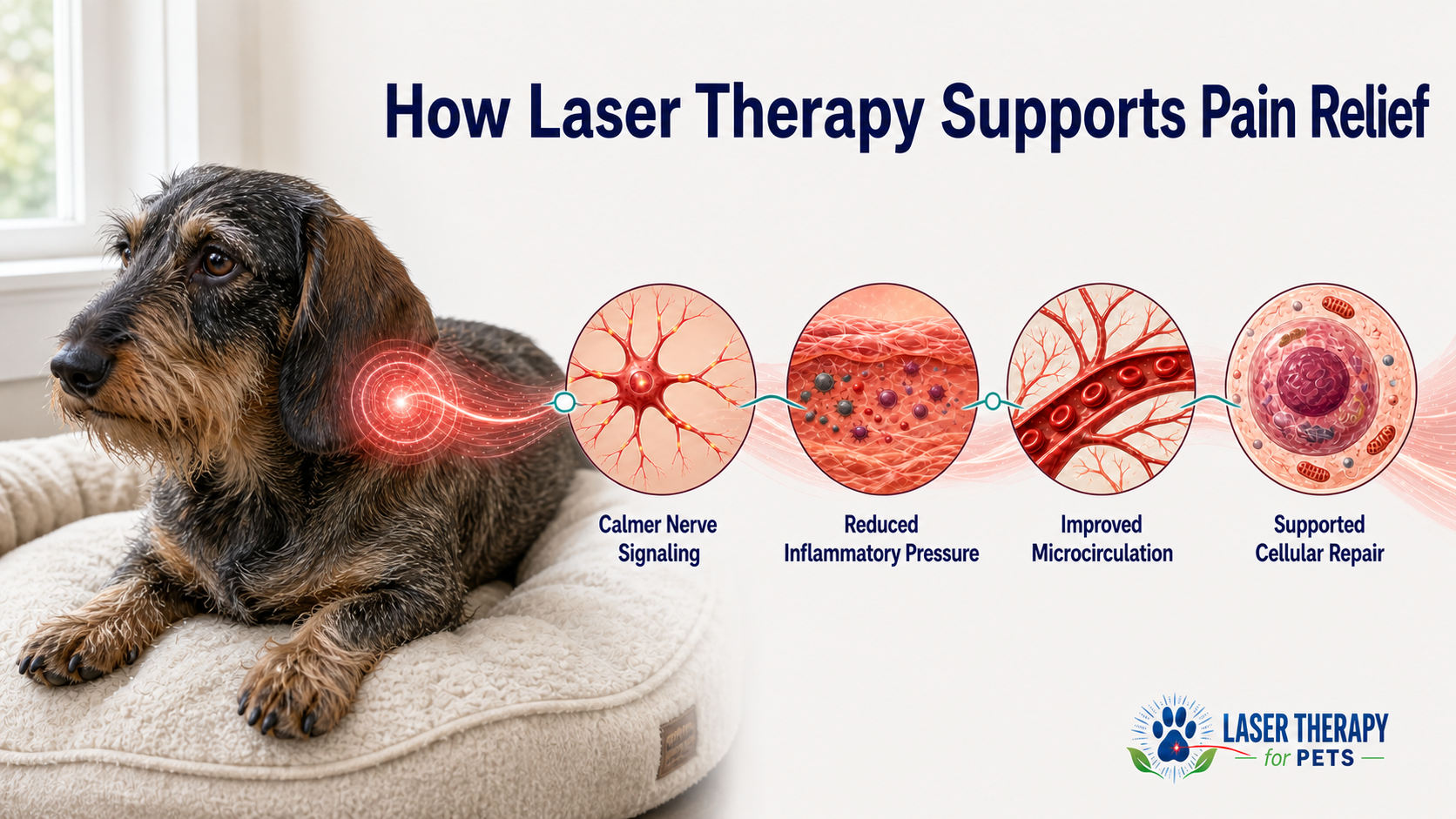
Laser therapy has been proven to relieve pain in dogs in several ways. It works directly on sensitive nerves by calming the pain signals they send to the brain and stimulating the release of endorphins. Endorphins are the body’s own natural pain-relieving chemicals, and they also help the dog relax.
At the same time, laser therapy reduces the inflammation and pressure around painful tissues, improves circulation, relaxes tight muscles, and delivers energy to cells for tissue repair. Together, these effects reduce pain and help the affected area function more comfortably. (Cheng et al., 2021; de Freitas and Hamblin, 2016)
After more than 14 years of using laser therapy in clinics and homes, I consider it one of the most practical tools for dogs with arthritis, back pain, knee injuries, nerve irritation, sore muscles, surgical recovery, and many other conditions.
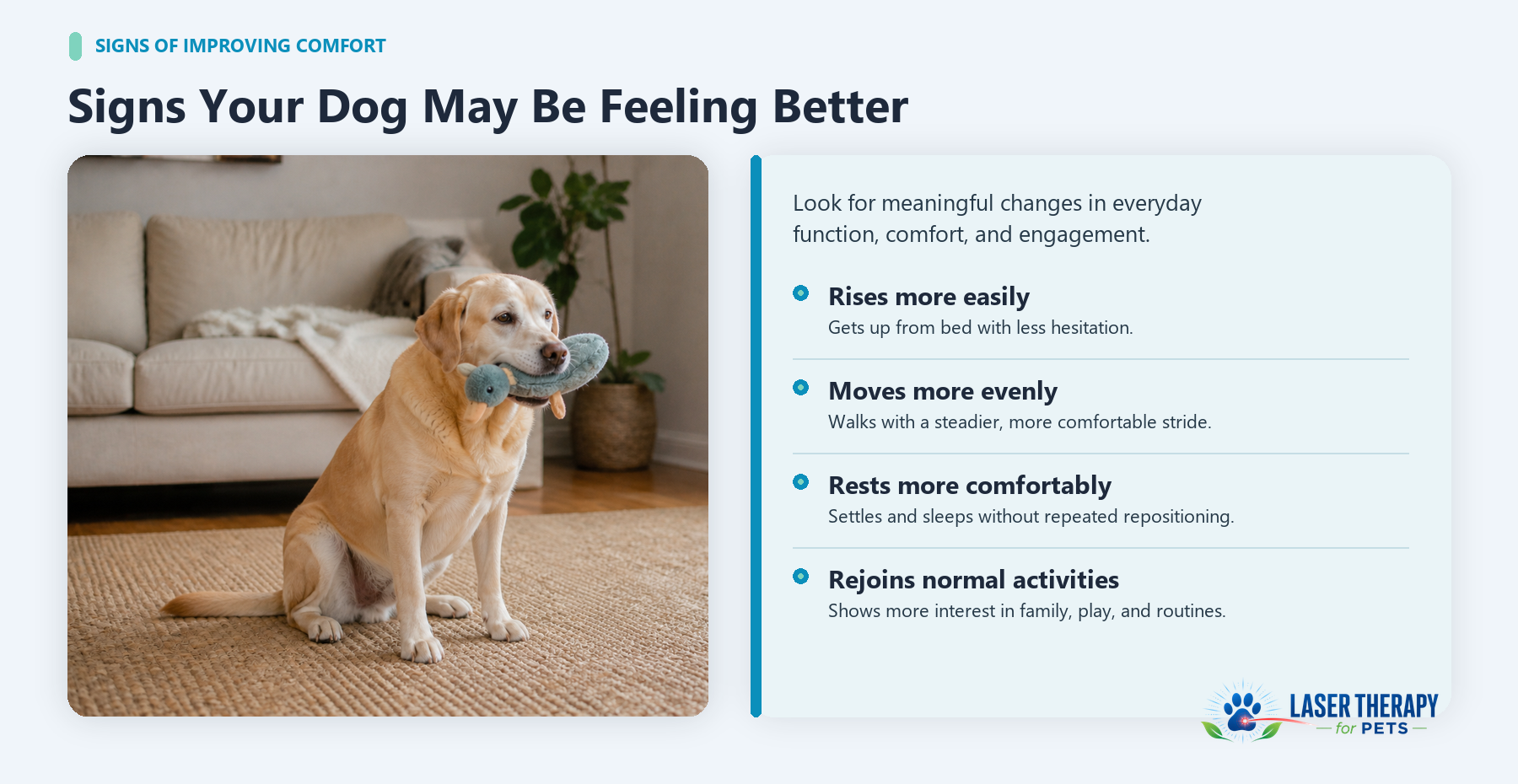
Early pain relief is often one of the first changes a pet parent notices. A dog may settle more easily, stand up with less effort, stop guarding a sore area, or sleep more comfortably. Because comfort often returns before full strength, we still control activity and protect the recovering area. Laser therapy is not simply covering up pain. It is relieving pain while improving the tissue conditions needed for repair.
How Does Laser Therapy Relieve Pain in Dogs?
The medical term for laser therapy is photobiomodulation. This simply means that specific light energy is used to change biological activity inside the tissue.
Laser therapy helps relieve pain by:
- Reducing inflammatory chemicals around sensitive nerves
- Decreasing swelling and pressure inside painful tissue
- Changing the way pain signals travel through nerves
- Improving local blood and lymph flow
- Relaxing muscles that have tightened around an injury
- Supporting the body’s own pain-relieving chemistry
- Giving damaged cells more support for repair
Research describes several possible pain-relieving pathways, including changes in nerve conduction, inflammation, circulation, mitochondrial activity, and natural pain-control systems. (Mechanisms and Pathways of Pain Photobiomodulation)
How Quickly Can Laser Therapy Relieve Pain in Dogs?
Using my treatment protocols, I often see signs of pain relief within the first two minutes of a laser session. I have seen this happen hundreds of times.
The first changes are often subtle but easy to recognize. A dog may take a deep breath, soften their eyes, stop guarding the painful area, stop twitching, or settle into a more comfortable position.
Consider a dog with a painful knee. Swelling around the joint can press on sensitive tissues. The surrounding muscles tighten to protect the leg, and the nerves in the area become more reactive. As laser therapy reduces inflammatory pressure, calms irritated nerves, and relaxes those tight muscles, the dog can begin moving with less pain and tension.
One human study documented significant pain relief within three minutes of a single laser session, with improvement maintained through 48 hours. Separate clinical trials found that pain relief persisted for up to 22 weeks after a completed course of low-level laser therapy.
A randomized, double-blind trial by Toya et al. used one 5–10-minute treatment with an 830 nm laser. Pain relief was reported by 82% of actively treated patients. Toya et al., 1994
Signs of Pain Relief with Laser Therapy in Dogs
Relaxation during a laser session is encouraging, but the strongest evidence of pain relief appears in your dog’s normal function.
Useful signs of pain relief include:
- Getting up from bed with less hesitation
- Walking more evenly on a nonslip floor
- Turning around without stopping or bracing
- Placing more weight on a painful leg
- Settling into a sleeping position more easily
- Sleeping longer without pacing or repeatedly repositioning
- Allowing the painful area to be touched with less guarding
- Taking longer, more comfortable strides
- Showing more interest in normal family activity
- Needing less time to loosen up after resting
Dogs also change their behavior to protect themselves from pain. As that pain decreases, you may notice your dog becoming more social, playful, and engaged. They may bark less, pace less, show less anxiety, and become less sensitive to noise or touch. Dogs that were irritable, snappy, protective of food or toys, or reluctant to interact may begin to relax. You may also see their normal excitement return, such as greeting you at the door, playing with toys, or joining other dogs in play.
What Research Shows About Laser Therapy for Pain Relief in Dogs
Canine research studies have reported improvements in pain, lameness, activity, joint movement, and the amount of pain medication dogs needed.
The evidence is encouraging, especially for osteoarthritis and back problems. It is not proof that every laser, dose, or treatment schedule will work the same way. But it shows that the biological reaction of pain reduction is happening due to the laser light.
“Laser therapy” covers many different devices and protocols. Studies have used different wavelengths, power levels, pulse patterns, treatment areas, schedules, and ways of measuring success. Those differences matter when we translate research into a treatment plan, but the same practical pattern appears repeatedly: dogs experienced less pain and moved more comfortably. Just a few of the supportive research publications are summarized below.
The Barale Mobility Study
A 2023 study published in Veterinary Medicine and Science followed dogs with naturally occurring osteoarthritis during six weeks of low-level laser therapy. Laser therapy was administered once a week for 1-4 mins. After treatment began, the dogs took more daily steps and showed higher overall activity levels, with those improvements remaining above baseline through the sixth week. Pain medication was also reduced in half of the dogs during the study period. These changes suggest that the dogs experienced better mobility and improved pain control during treatment. (Barale et al., 2023) (Wiley Online Library)
The study supports the idea that laser therapy can help dogs with osteoarthritis become more willing and able to move. That matters because improved function is one of the clearest signs that pain control is making a difference.
It also does not mean weekly treatment is the correct schedule for every home laser device. Treatment frequency has to be considered together with the device’s output, wavelengths, pulse design, treatment area, and intended dose.
What Other Canine Studies Add
A controlled study by Looney and colleagues in 2018 included 20 dogs with naturally occurring elbow osteoarthritis. All dogs receiving active treatment had greater improvement in pain and lameness than the dogs not receiving laser therapy treatment.
Eighty-two percent (82%) of the treated dogs were able to reduce their nonsteroidal anti-inflammatory drug dose. (Looney et al., 2018) (PubMed)
A 2022 study in Portugal included 20 working dogs with bilateral hip osteoarthritis. One group received a 21-day course of meloxicam. The other received laser therapy over three weeks. The researchers measured pain, function, gait, stiffness, quality of life, joint movement, and other clinical findings for 90 days.
The laser-treated dogs showed better results on several pain and function measures at multiple follow-up points. (Alves et al., 2022) (PubMed)
Here is the practical meaning:
| Study | Dogs and condition | Main finding |
| Barale et al., 2023 | 23 dogs with hip or knee osteoarthritis | Activity and daily steps increased during six weekly treatments |
| Looney et al., 2018 | 20 dogs with elbow osteoarthritis | Treated dogs had better pain and lameness scores and reduced NSAID use |
| Alves et al., 2022 | 20 dogs with bilateral hip osteoarthritis | Several pain and function measures improved after Class IV treatment |
Different devices require different protocols, so one study does not establish a universal treatment schedule. It does establish the reason we use laser therapy for pain: treated dogs showed measurable improvements in comfort, activity, movement, and medication use.
Canine clinical studies provide direct evidence that photobiomodulation improves pain and function in dogs. Human clinical research and preclinical studies add important information about the nerve, inflammatory, circulatory, and cellular pathways involved.
When I Recommend Laser Therapy for Dog Pain
When pain involves inflammation, swelling, irritated nerves, tight muscles, poor circulation, or healing tissue, laser therapy belongs in the treatment plan.
Veterinary studies have examined photobiomodulation for musculoskeletal pain, neurological conditions, surgical recovery, wounds, and other painful problems. (Millis and Bergh, 2023) (DOI)
Joint and Inflammatory Pain
Arthritis is one of the most common reasons I use laser therapy.
Arthritis pain does not come from worn cartilage alone. The entire joint can become sore, including the tissues around it, the bone underneath it, and the nearby muscles, tendons, ligaments, and nerves.
A dog with hip pain may tighten the lower back, gluteal muscles, and upper thigh muscles. A dog protecting an elbow may overload the shoulder, neck, or opposite front leg. Those compensation patterns can become painful on their own.
Joint conditions I commonly use low-level laser therapy for:
- Osteoarthritis
- Hip and elbow dysplasia
- Elbow or shoulder arthritis
- Painful muscle compensation around a joint
Laser therapy is not going to rebuild a severely damaged joint. It will reduce pain, stimulate cellular repair and reduce ongoing damage from a chronically inflamed joint.
The goal is to improve comfort, reduce inflammatory pressure, strengthen the tissues surrounding the joint, and help the dog move more naturally. For a deeper explanation, read Laser Therapy for Dogs With Arthritis.
Ligament Injuries and Knee Pain
Cold laser therapy is especially useful for painful, inflamed knees. I commonly use it for:
- Cranial cruciate ligament injuries
- Patellar luxation
- Knee sprains
- Bruising and swelling
- Irritated tendons around the knee
- Tight or sore muscles supporting the joint
Laser therapy reduces inflammation, calms irritated nerves, and relieves pain around the knee while supporting repair and strengthening of the tissues that stabilize the joint. As pain decreases and the knee becomes stronger, many dogs move with greater comfort and confidence.
Pain relief does not restore stability to an unstable knee. A dog with a torn cranial cruciate ligament or luxating patella may still need restricted activity, rehabilitation, and a full recovery plan depending on the severity of the condition.
In practice, I have helped hundreds of dogs with knee injuries improve without surgery through individualized plans that combined laser therapy with activity restriction, rehabilitation, mobility support, nutrition, and other holistic care. The plan must match the type and severity of the injury and the stability of the knee.
IVDD, Back Problems, and Nerve-Related Pain
Back pain can come from muscles, joints between the vertebrae, discs, nerve roots, or several structures at the same time. Back injuries may be sudden, such as a ruptured intervertebral disc, or chronic, with painful flare-ups that return over time.
I use laser therapy for:
- Back pain
- Muscle soreness around the spine
- IVDD-associated pain and inflammation
- Back leg weakness
- Temporary paralysis
- Irritated peripheral nerves
- Nerve sensitivity
- Painful muscle compensation
- Incontinence
Back problems often become chronic, especially in chondrodysplastic dogs such as dachshunds, bulldogs, corgis and basset hounds. Laser therapy helps calm this painful pattern, reduce inflammation, and improve comfort and mobility.
How Often Should Dogs Receive Laser Therapy for Pain?
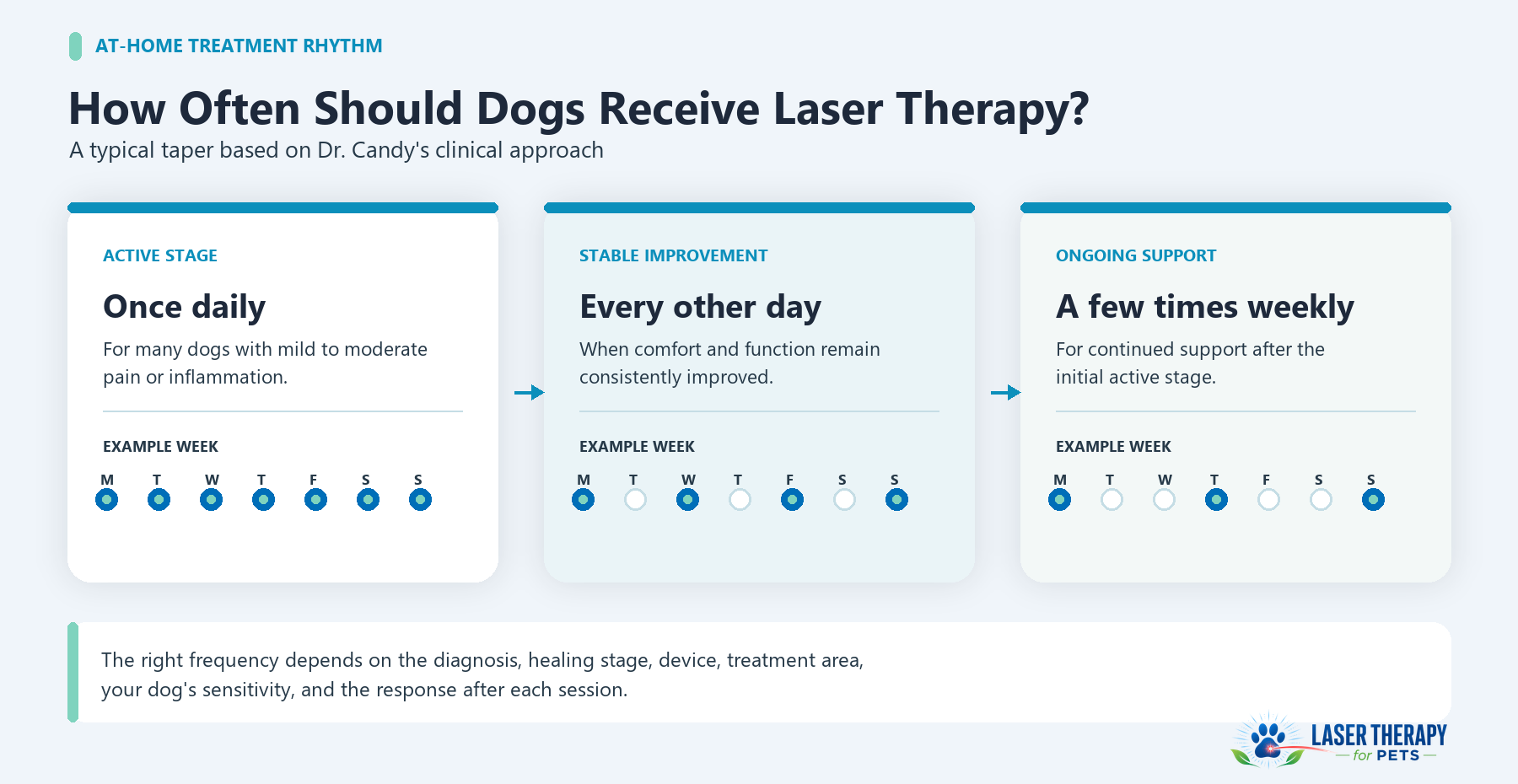
For many dogs with mild to moderate pain or inflammation, I recommend one home laser session per day during the active stage.
The right frequency still depends on:
- The diagnosis
- The stage of healing
- The treatment goal
- The device
- The treatment area
- The dog’s sensitivity
- The response after each session
This is my clinical recommendation based on more than 14 years of working with laser therapy. It is not a rule that can be applied to every dog, device, or protocol.
Daily Treatment for Active Pain and Inflammation
I have used many different laser schedules over the years.
In veterinary clinics, I treated some arthritis patients once or twice a week. I also used individual sessions for short-term pain relief or support.
My results changed when I began renting my lasers to pet parents and teaching them to treat their dogs at home once a day.
With daily treatment, I often saw faster and more consistent improvement. At weekly follow-ups, dogs were moving more comfortably and feeling better. Families also noticed their dogs getting up more easily, greeting them at the door, showing interest in toys again, joining family activities , and wanting to play or go for walks. These visible changes in daily behavior and movement gave us clear signs that the dog’s pain, mobility, and overall condition were improving.
Why I Treat Pain Before It Builds
Repeated pain signals can make the nervous system increasingly sensitive. Over time, the pain system begins amplifying those signals, and a smaller irritation produces a stronger pain response. Veterinary pain guidelines describe this as part of the shift from acute pain toward chronic or maladaptive pain. (2022 AAHA Pain Management Guidelines) (AAHA)
This is often called wind-up pain.
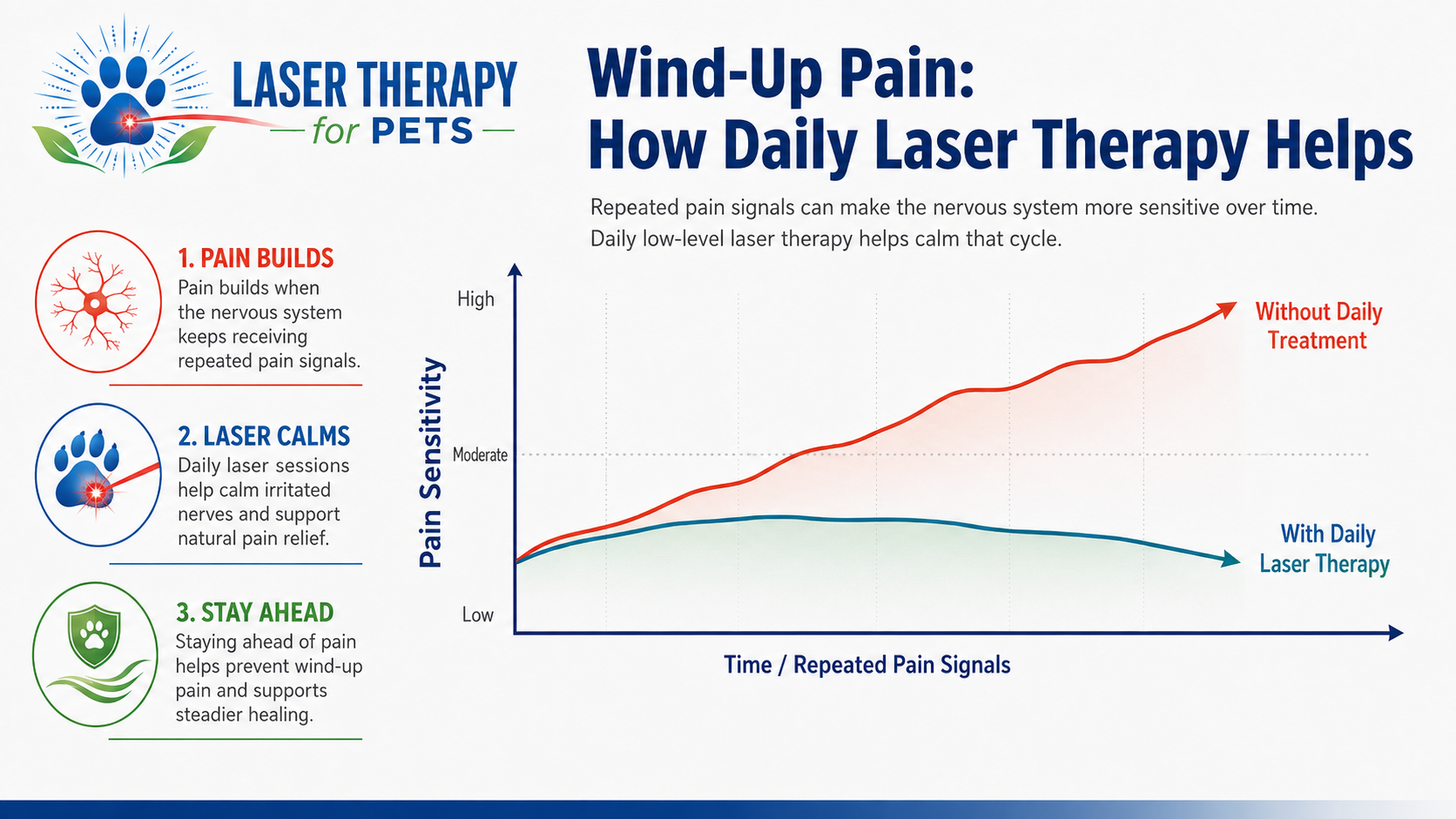
While your dog is recovering from an injury, we want to prevent the nervous system from becoming trapped in a cycle of increasing pain sensitivity. Once that cycle develops, even a small irritation can feel severe, and the pain may become much harder to control, even with strong sedating medications. I prefer to stay ahead of this pattern instead of waiting for your dog to become severely painful again between sessions. Consistent laser treatment helps calm inflammation, reduce repeated nerve irritation, and keep pain from building while the tissue recovers.
When physical pain continues, it can also affect your dog mentally and emotionally. They may become anxious, restless, withdrawn, irritable, or fearful of movements that have hurt before. That emotional stress adds to the body’s physical stress response and can keep stress hormones, including cortisol, elevated. When this pattern continues, excess cortisol can interfere with normal immune activity, inflammation control, and tissue repair, which can slow healing.
Once comfort and function remain stable, I may reduce treatment to every other day and then to a few sessions per week. The taper depends on whether we are treating a healing injury, chronic arthritis, recurring back pain, or another condition.
Do not reduce prescribed pain medication simply because your dog has one good day.
How to Recognize and Evaluate Pain in Your Dog
Dogs do not always cry, whine, or limp when they are hurting. Many dogs hide pain or slowly change the way they move and behave. These changes can be easy to miss because they often develop over time.
Slowing down, sleeping poorly, avoiding stairs, becoming irritable, or losing interest in family activities should not be dismissed as normal aging. These are often signs that pain is changing a dog’s daily life.
One advantage of treating your dog at home is that you see them in their normal environment every day. You know how they usually get up, walk, sleep, play, and interact with the family. Those everyday behaviors give us some of the best clues about their pain level.
Physical Signs of Pain in Dogs
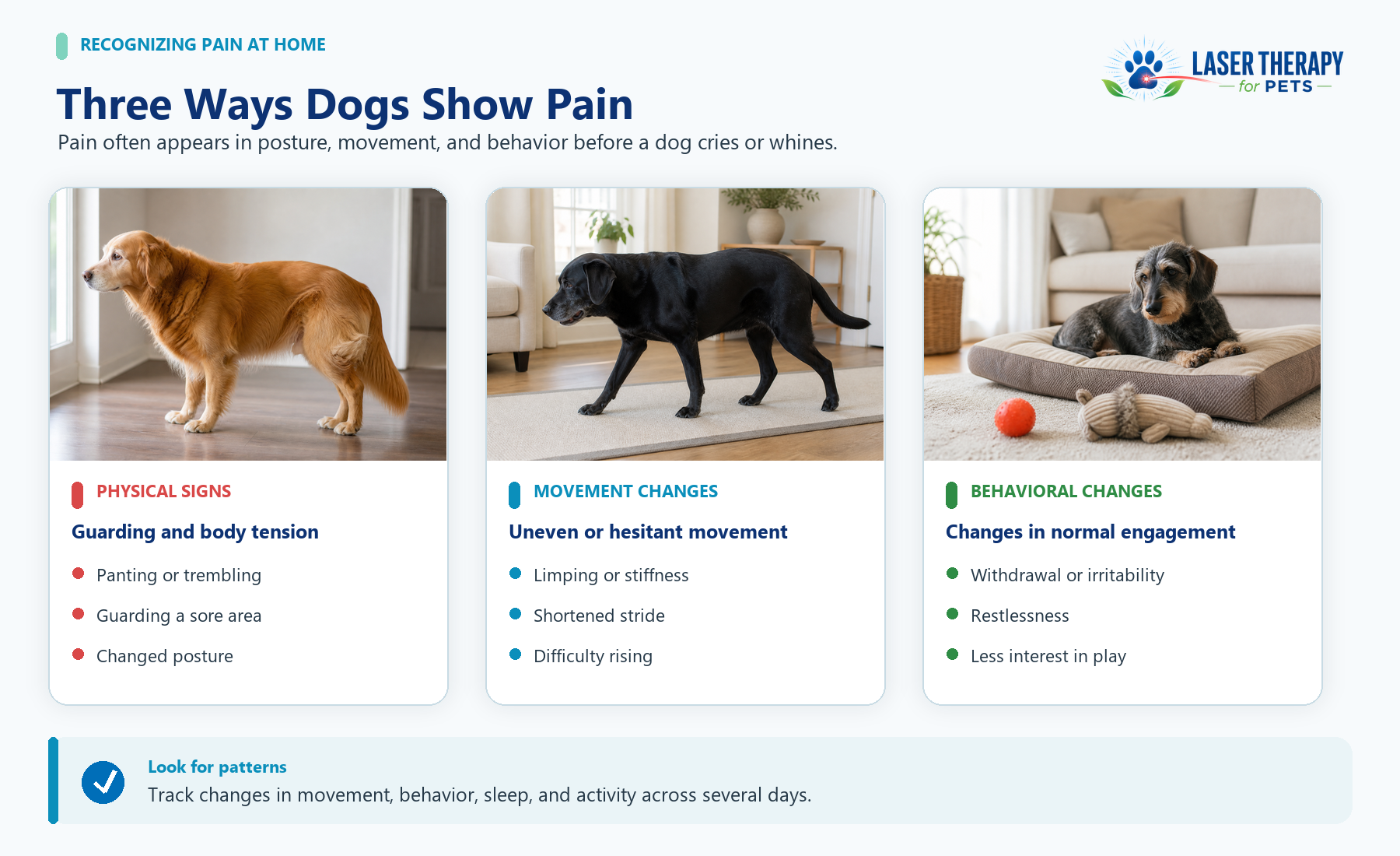
You may notice visible changes in how your dog holds or protects the painful area, including:
- Swelling or bruising
- Licking or chewing at one spot
- Holding a leg up or avoiding pressure on it
- Keeping the back, neck, or limb unusually stiff
- Flinching, trembling, or pulling away when the area is approached
- Teeth chattering
- Turning the head toward you when the area is touched
- Tensing the body or holding their breath
- Protecting one side of the body
- Resisting petting, grooming, lifting, or handling
- Squinting, flattened ears, or a tense facial expression
These signs may be subtle. Compare them with your dog’s normal posture and behavior, and watch for changes that appear repeatedly rather than during one isolated moment.
Changes in Movement When Dogs Are in Pain
Pain often changes how a dog uses their body. Look for:
- Trouble getting up from bed
- Stiffness after resting
- Limping or taking shorter steps
- Shifting weight away from one leg
- Reluctance to use stairs
- Hesitation before jumping
- Difficulty turning around
- Walking more slowly
- Slipping or losing balance
- Lowered head or hunched posture
- Less interest in walks or normal activity
A dog does not need to have a severe limp to be painful. Small changes, such as taking longer to stand or pausing before lying down, can be meaningful.
Behavioral and Emotional Signs of Pain in Dogs
Pain can change your dog’s personality and daily behavior. It can also create fear. When a movement, touch, or interaction has caused pain before, your dog may begin expecting it to hurt again.
Animal behavior expert Temple Grandin has emphasized that fear can be even more disabling for an animal than pain because a frightened animal may struggle to function normally. In painful dogs, fear and pain often begin feeding into each other. Your dog may avoid stairs, resist being picked up, pull away from touch, or react defensively because they are afraid it will hurt.
A dog experiencing pain or pain-related fear may:
- Pace or have trouble settling
- Pant when they are not hot
- Obsessive licking of self, blankets, beds or toys
- Sleep more or sleep poorly
- Withdraw from the family
- Decreased appetite
- Unusual food seeking behaviors
- Stop greeting you at the door
- Lose interest in toys or other dogs
- Become anxious or more sensitive to noise
- Bark more or become unusually quiet
- Resist being touched, groomed, or picked up
- Become irritable, snappy, or protective of food, toys, or resting areas
These behaviors are not always stubbornness, aggression, or a personality problem. They may be your dog’s way of protecting themselves because they are anticipating pain.
Using laser therapy to reduce pain naturally, you can watch your dog’s normal personality return. They may greet you at the door, bring you a toy, ask for a walk, join the family again, or rest more peacefully.
Look for Patterns, Not One Good or Bad Day
Pain can change from day to day. Weather, extra exercise, slipping, stairs, visitors, travel, poor sleep, or a missed medication dose can all affect how your dog feels.
Keep a simple daily record of:
- Ease of getting up
- Walking comfort
- Willingness to play or interact
- Sleep and nighttime restlessness
- Sensitivity to touch
- Heat or swelling
- Medication or supplement use
- Unusual activity or possible flare triggers
The most useful signs of improvement are consistent changes in comfort, movement, sleep, and behavior. One unusually good day is encouraging, but a steady pattern tells us much more about whether your dog’s pain is truly improving.
Dr. Candy’s pro tip: I also recommend recording one short mobility video each week. Film your dog performing the same activity in the same location, such as getting up from bed or walking down a hallway. These videos make gradual changes much easier to recognize.
At-Home Cold Laser Therapy vs. In-Clinic Class 4 Treatment for Pain Relief in Dogs
At-home low-level laser therapy and in-clinic Class IV treatment have the same general goal. Both are using photobiomodulation to heal tissue naturally.
The major difference is how the light is delivered.
Class IV lasers deliver high power very quickly. Lower-level home lasers deliver light in a safer way, over a longer session. Treatment quality depends on the wavelengths, output, treatment area, placement, timing, and frequency, not the class number alone.
I prefer safe, at-home low-level laser therapy for most dogs when home treatment is appropriate.
Why I Prefer At-Home Treatment for Dogs in Pain
A Class IV laser session in a clinic may take around 1.5 to 2 minutes to administer a therapeutic dose. A home session may take 5 to 15 minutes depending on the device and treatment area.
The clinic session is shorter, but the full appointment is not.
A painful dog may have to:
- Stand up and walk to the car
- Be lifted or loaded
- Brace during a bumpy ride
- Walk across a parking lot
- Wait on an unfamiliar or slippery floor
- Be positioned in a treatment room
- Travel home again
For an anxious, injured, arthritic, or neurologically weak dog, that effort can be much harder than resting for several extra minutes on a favorite bed at home.
Home treatment also makes daily consistency possible, which results in less pain. Instead of trying to fit repeated clinic appointments into the week, the dog can be treated while relaxed on a bed, couch, blanket, or quiet floor.
Are High-Powered Class IV Lasers Better Than Low-Level Lasers For Pain Relief in Dogs?
More power is not automatically more effective. Faster light delivery also requires stricter handling. The FDA classifies Class IV lasers as immediate eye and skin hazards from either direct or reflected beams. (FDA: Frequently Asked Questions About Lasers)
This does not mean Class IV treatment can never be useful. It means the technique, movement, angle, settings, eye protection, supervision, and operator training all matter.
Class IV lasers deliver intense power very quickly, so poor technique or incorrect settings can create too much heat. The treatment may become uncomfortable, especially if the handpiece is held still or moved too slowly. Excess heat can irritate, burn the skin and may even singe the fur. Too much light energy could cause further tissue damage at the treatment area. This is known as the bi-phasic tissue response.
Because the direct or reflected beam can also damage the eyes, everyone in the room, including your dog, must wear proper laser-protective eyewear. I have found that dogs don’t like wearing these goggles, which becomes an additional stressor for an already painful or fearful dog.
| Comparison | At-Home Low-Level Laser | In-Clinic Class IV Laser |
| Light delivery | Lower level over a longer session | High power over a shorter exposure |
| Setting | Familiar home environment | Stressful Veterinary clinic |
| Repeatability | Often practical for daily treatment | Limited by travel and appointments |
| Dog positioning | Can rest on a familiar bed or rug | May require awkward clinic positioning and stressful handling |
| Eye precautions | No safety goggles required for class I low-level lasers | Strict laser eye protection for you and your dog is required |
| Heat and tissue risk | Low risk with a suitable cold laser device used correctly | Greater risk of burning skin and damaging tissue |
What Makes a Home Laser Device Suitable for Pain Treatment in Dogs?
When choosing an at-home low-level laser device, I look for clear information about:
- Wavelengths
- Average output
- Peak pulsed power, when applicable
- Pulse or continuous delivery
- Treatment-cycle length
- Intended treatment area
- Positioning
- Eye precautions
- Automatic shutoff
- Written body-area guidance
- Knowledgeable support
I usually prefer a high-quality cold laser with multiple wavelengths, with at least one wavelength over 700nm, to have a real impact in relieving pain in dogs.
An LED can create photobiomodulation in only the top 1-2mm of skin. Wavelength and light delivery are the scientific factors that determine how deep a laser penetrates. If the laser cannot reach the painful tissue in your dog, your dog will not get adequate pain relief.
How to Use Laser Therapy Safely in Dogs
Cold laser therapy is one of the most effective and practical modalities I use for treating pain in dogs. When we choose the right device, treat the correct areas, and use it consistently, it can relieve pain quickly and naturally. For many families, having a high-quality laser at home completely changes how they manage their dog’s comfort and quality of life.
When the cause of your dog’s pain is understood, we can choose the correct treatment areas, schedule, and protocol for that specific condition. It also allows us to recognize the situations where cold laser therapy should not be used.
Know When Pain Needs a Diagnosis First
Seek prompt veterinary evaluation when a dog has:
- Sudden inability to stand or walk
- Paralysis or rapidly worsening weakness
- Loss of bladder or bowel control
- Major trauma
- A suspected fracture
- Severe abdominal pain
- Rapidly increasing swelling
- Fever with significant pain
- A new painful mass
- Severe pain with no known cause
Once the condition has been assessed, home laser therapy becomes a powerful and practical part of the treatment plan.
When Not to Use Cold Laser Therapy
In my home-treatment protocols, I avoid or use special caution with the following:
- Direct exposure to the eyes
- Direct treatment over the thyroid gland
- Direct treatment over a known benign or malignant growth
- Previously removed masses or fatty lumps
- Pregnancy or lactation
- Growing puppies
- Areas with unexplained bleeding
Nutrition, Weight, Mobility, and Home Support During Cold Laser Therapy
Cold laser therapy works best when your dog’s nutrition, body weight, movement, and home environment support the same pain-relief goal. When I had my mobile veterinary practice, I was able to see where dogs spent their time and how simple household problems were affecting their pain. Slippery floors, repeated stairs, jumping on furniture, and excess body weight can keep irritating the same painful joints and tissues. Even minor events of re-injury can stall the healing process that we stimulate with laser therapy.
There are easy changes you can make in your dog’s routine to help support pain management. Some of these include:
- Feeding a balanced, anti-inflammatory diet with appropriate nutritional support
- Highly processed foods like dog kibble keep your dog in a constant state of inflammation
- Keeping your dog at a healthy body weight to reduce pressure on painful joints
- Placing nonslip rugs, runners, or traction mats over slick flooring
- Using ramps to get on and off the couch or bed
- Blocking stairs when climbing them worsens pain or creates a fall risk
- Providing supportive bedding in all areas where your dog spends time
- Using braces, slings, or mobility supports when they are appropriate
- Restricting running, jumping, and rough play during recovery
- Avoid stressful grooming routines during recovery
- Following controlled activity limits even when your dog begins feeling better
Cold laser therapy relieves pain and improves mobility, but your dog’s daily environment still matters. Good nutrition, healthy body weight, safe footing, mobility support, and appropriate activity restrictions protect the painful area and help your dog maintain the progress made with each treatment.
Dr. Candy’s Recommendation: Use Laser Therapy Early and Consistently
If a dog is living with arthritis, back pain, knee pain, nerve irritation, muscle pain, or a painful injury, laser therapy is one of the first noninvasive tools I want in the treatment plan. It calms sensitive nerves, reduces inflammatory pressure, releases pain-relieving endorphins, and stimulates repair inside the painful tissue.
The best results come from choosing the right device, treating the right areas, using a suitable schedule, and watching how the dog responds.
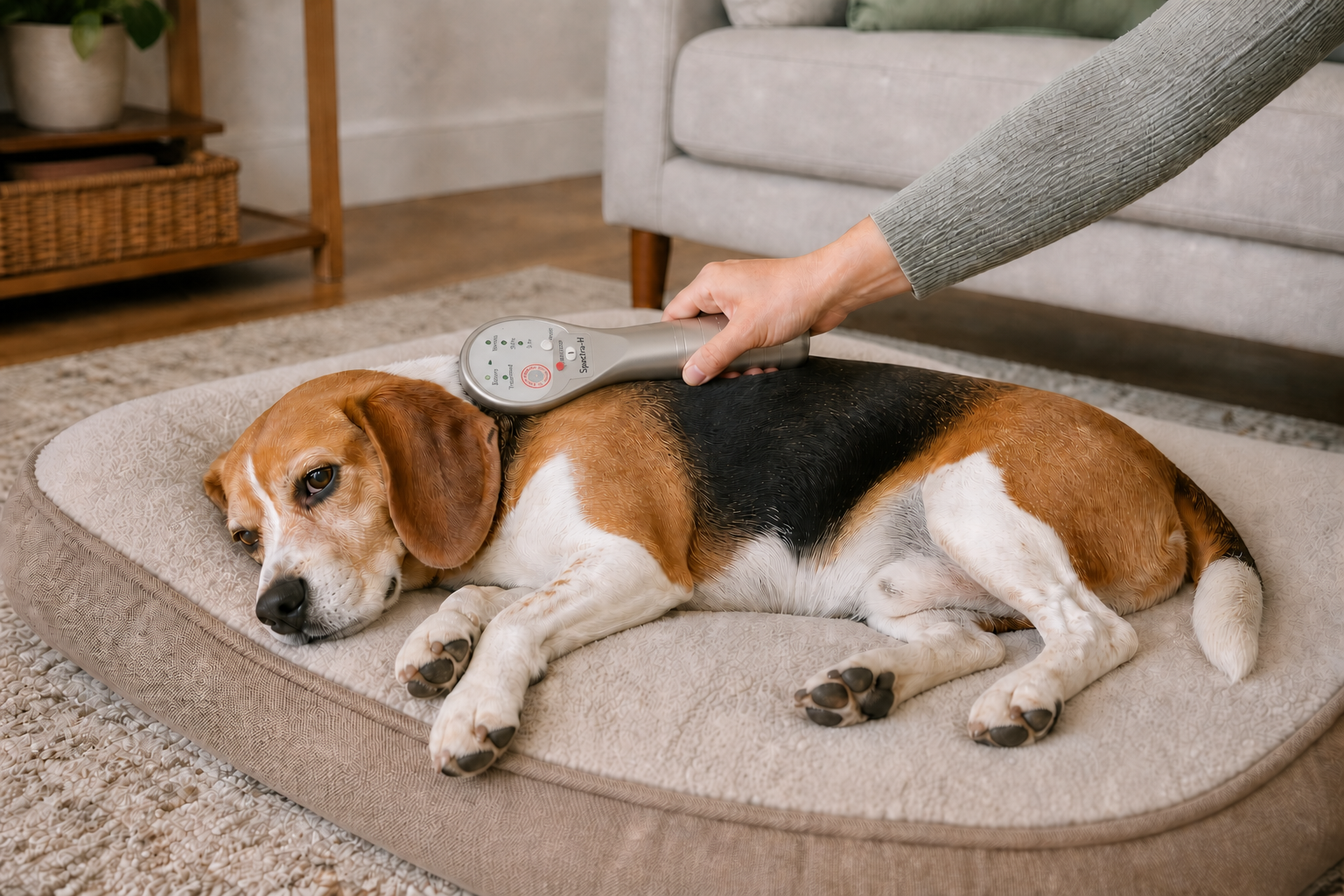
After more than 14 years of using laser therapy in clinics and homes, I strongly prefer safe at-home low-level laser therapy for dogs. Home treatment is gentler, easier to repeat, and less stressful. It also allows you to observe your dog closely and relieve pain quickly and naturally.
That is how laser therapy becomes more than occasional comfort. It becomes an active part of relieving pain, restoring movement, improving sleep, and helping your dog repair the underlying cause of pain.
Frequently Asked Questions
Yes. Canine clinical studies have documented lower pain and lameness scores, greater activity, better mobility, and reduced pain-medication use after laser therapy. It relieves pain by calming sensitive nerves, decreasing inflammation, improving circulation, relaxing tight muscles, and supporting tissue repair.
Using my treatment protocols, I often see signs of pain relief within the first two minutes of a laser session. Other studies in humans have documented significant pain relief within three minutes of a single laser session.
I commonly recommend once-daily home treatment for many mild to moderate painful conditions while pain and inflammation are active. The exact schedule should match the diagnosis, device, stage of healing, treatment area, and dog’s response.
Laser therapy can replace pain medication in some minor conditions, but pain medication may still be a part of your dog’s full pain management plan. Laser therapy often results in dogs needing less pain medication. A canine research study in 2018 found that 82% of dogs treated with laser therapy were able to reduce their dose of pain medication. (Looney et al., 2018)
References
- Cheng, K., Martin, L. F., Slepian, M. J., Patwardhan, A. M., & Ibrahim, M. M. (2021). Mechanisms and pathways of pain photobiomodulation: A narrative review. The Journal of Pain, 22(7), 763–777.
- de Freitas, L. F., & Hamblin, M. R. (2016). Proposed mechanisms of photobiomodulation or low-level light therapy. IEEE Journal of Selected Topics in Quantum Electronics, 22(3), 7000417.
- Barale, L., Monticelli, P., & Adami, C. (2023). Effects of low-level laser therapy on impaired mobility in dogs with naturally occurring osteoarthritis. Veterinary Medicine and Science, 9(2), 653–659.
- Looney, A. L., Huntingford, J. L., Blaeser, L. L., & Mann, S. (2018). A randomized blind placebo-controlled trial investigating the effects of photobiomodulation therapy on canine elbow osteoarthritis. Canadian Veterinary Journal, 59(9), 959–966.
- Alves, J. C., Santos, A., Jorge, P., & Carreira, L. M. (2022). A randomized double-blinded controlled trial on the effects of photobiomodulation therapy in dogs with osteoarthritis. American Journal of Veterinary Research, 83(8), ajvr.22.03.0036.
- Millis, D. L., & Bergh, A. (2023). A systematic literature review of complementary and alternative veterinary medicine: Laser therapy. Animals, 13(4), 667.
- American Animal Hospital Association. (2022). 2022 AAHA pain management guidelines for dogs and cats.
- U.S. Food and Drug Administration. (n.d.). Frequently asked questions about lasers.
- Cornell University College of Veterinary Medicine, Riney Canine Health Center. (n.d.). Intervertebral disc disease in dogs.
- Mota-Rojas, D., Whittaker, A. L., Lanzoni, L., Bienboire-Frosini, C., Domínguez-Oliva, A., Chay-Canul, A., Fischer, V., Hernández-Avalos, I., Bragaglio, A., Nannoni, E., Olmos-Hernández, A., Fernandes Bettencourt, A., Mora-Medina, P., Martínez-Burnes, J., Casas-Alvarado, A., & Grandin, T. (2025). Clinical interpretation of body language and behavioral modifications to recognize pain in domestic mammals. Frontiers in Veterinary Science, 12, 1679966. https://doi.org/10.3389/fvets.2025.1679966