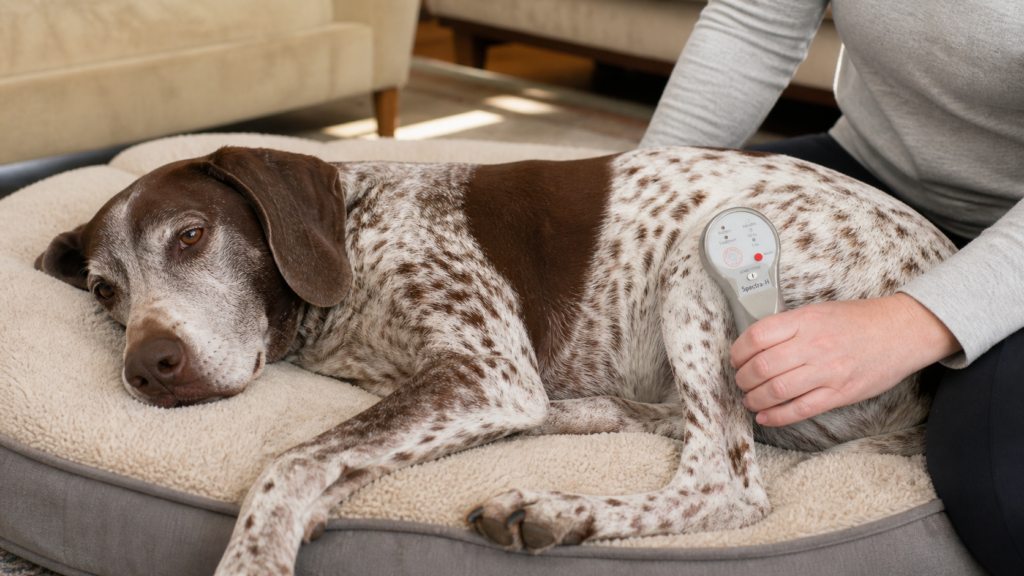
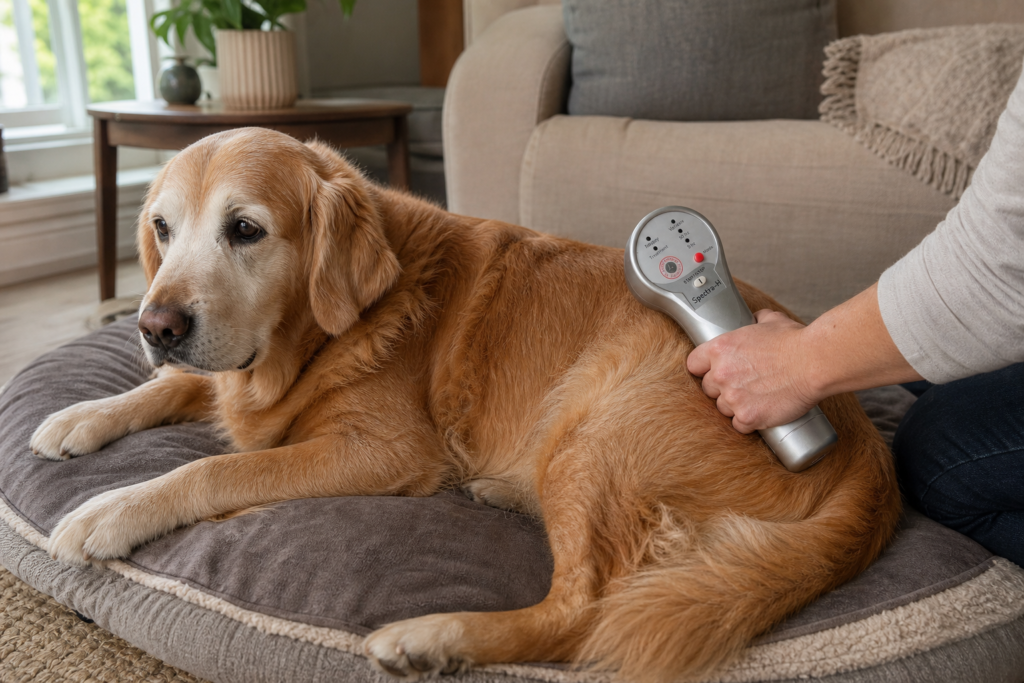
Low-level laser therapy in dogs uses therapeutic light to help reduce pain and excessive inflammation, improve local circulation, and provide direct energy to cells for injury repair. You may also hear it called cold laser therapy, low-level light therapy, LLLT, or photobiomodulation.
I have worked with laser therapy for more than 14 years in veterinary clinics and home-care settings. I have used it for painful joints, back injuries, wounds, surgical recovery, and many other conditions where tissue needs help healing. Even after all these years, I am still amazed by the results I see with cold laser therapy, especially when a painful dog begins moving more comfortably, resting more easily, and showing clear signs that the body is responding.
Cold laser therapy is not based on guesswork, research from around the world has repeatedly shown that it reduces pain and improves healing.
Daily treatment at home is more practical and less stressful than loading a painful dog into the car for clinic appointments. In this guide, I’ll explain how low-level laser therapy works, which conditions it helps, how to choose a laser, and why I often prefer at-home treatment for dogs.
What Is Low-Level Laser Therapy in Dogs?
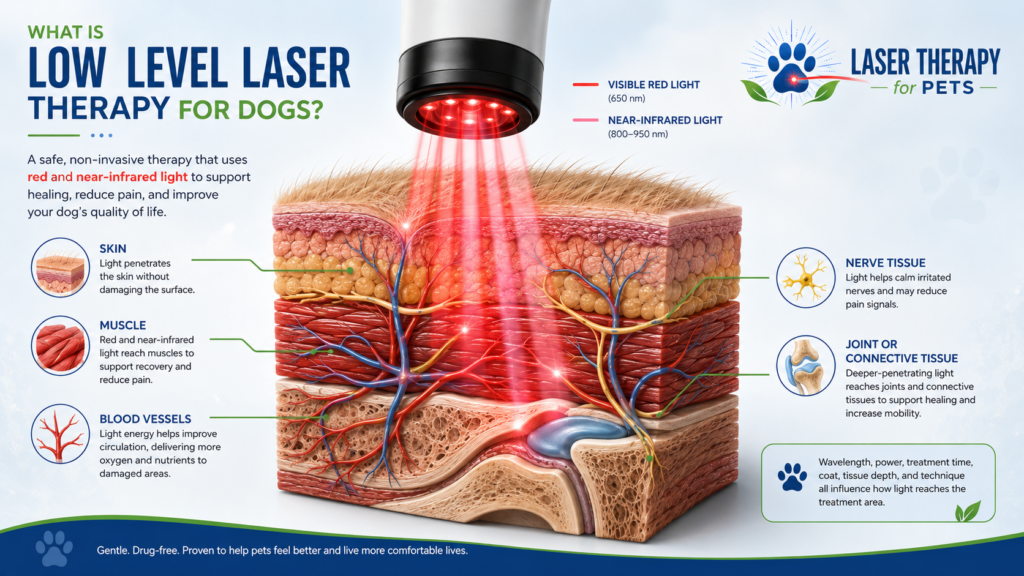
Low-level laser therapy in dogs is the use of therapeutic light to relieve pain, reduce inflammation, and repair tissue. You may also hear it called cold laser therapy, LLLT, low-level laser therapy, or photobiomodulation. The names can sound technical, but the goal is simple: we use specific light energy to create a healing response inside the tissue.
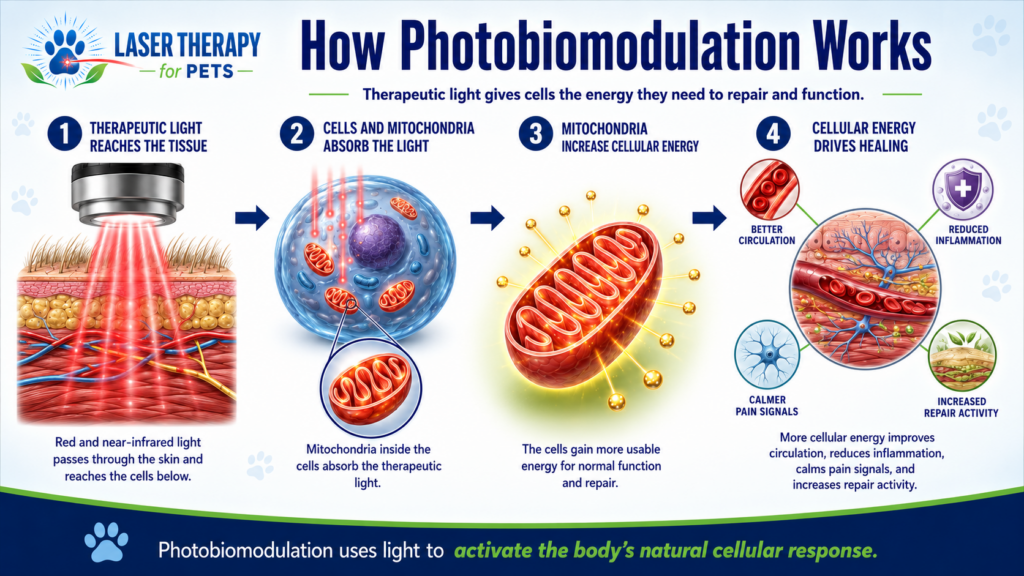
The scientific term, photobiomodulation, means that light (“photo”) is being used to change biological activity in the body. In a dog, that means the light interacts with cells and stimulates repair pathways. It increases local blood flow, gives cells direct energy, reduces inflammation, and relieves pain by triggering endorphin release.
Why Is It Called a Cold Laser?
The word “cold” can be confusing because the laser does not feel cold like ice.
Cold laser simply means we are using a low-level therapeutic laser, not a hot surgical laser. A proper cold laser treatment should not feel hot, and it should not hurt. Most dogs tolerate it very well, especially when the treatment is done calmly at home.
Low-Level Does Not Mean Weak
The goal of laser therapy is not to blast the tissue with the strongest beam possible. The goal is to deliver the right light energy so the cells respond. When that light reaches the tissue, it stimulates the healing process: blood flow increases, cellular energy improves, inflammation begins to clear, pain signals calm, and repair activity increases.
At-home low-level laser therapy works toward the same photobiomodulation goal as in-clinic laser therapy. Veterinary clinics usually use a Class IV laser device. The difference is that we are using a Class I laser device, which delivers the same amount of light over a slightly longer treatment time.
Instead of a short, high-powered clinic session that takes 1 minute, we may use a 5 to 10 minute home session that is safer, more consistent, and easier for your dog to tolerate. That consistency is a big part of why home therapy works so well. You can administer treatments daily instead of driving to the clinic once or twice a week.
When we use the right wavelengths, the right treatment areas, and the right timing, a home cold laser can be a serious healing tool for dogs with arthritis, back discomfort, soft tissue injuries, wounds, and inflammation. We do not need the highest power number to get a strong tissue response. We need the right light, used consistently.
Are Cold Laser Therapy and Red Light Therapy the Same?
Some pet parents hear “red light therapy” and assume it is the same as cold laser therapy. Sometimes the terms overlap, but I do not treat every red light device as a true therapeutic laser.
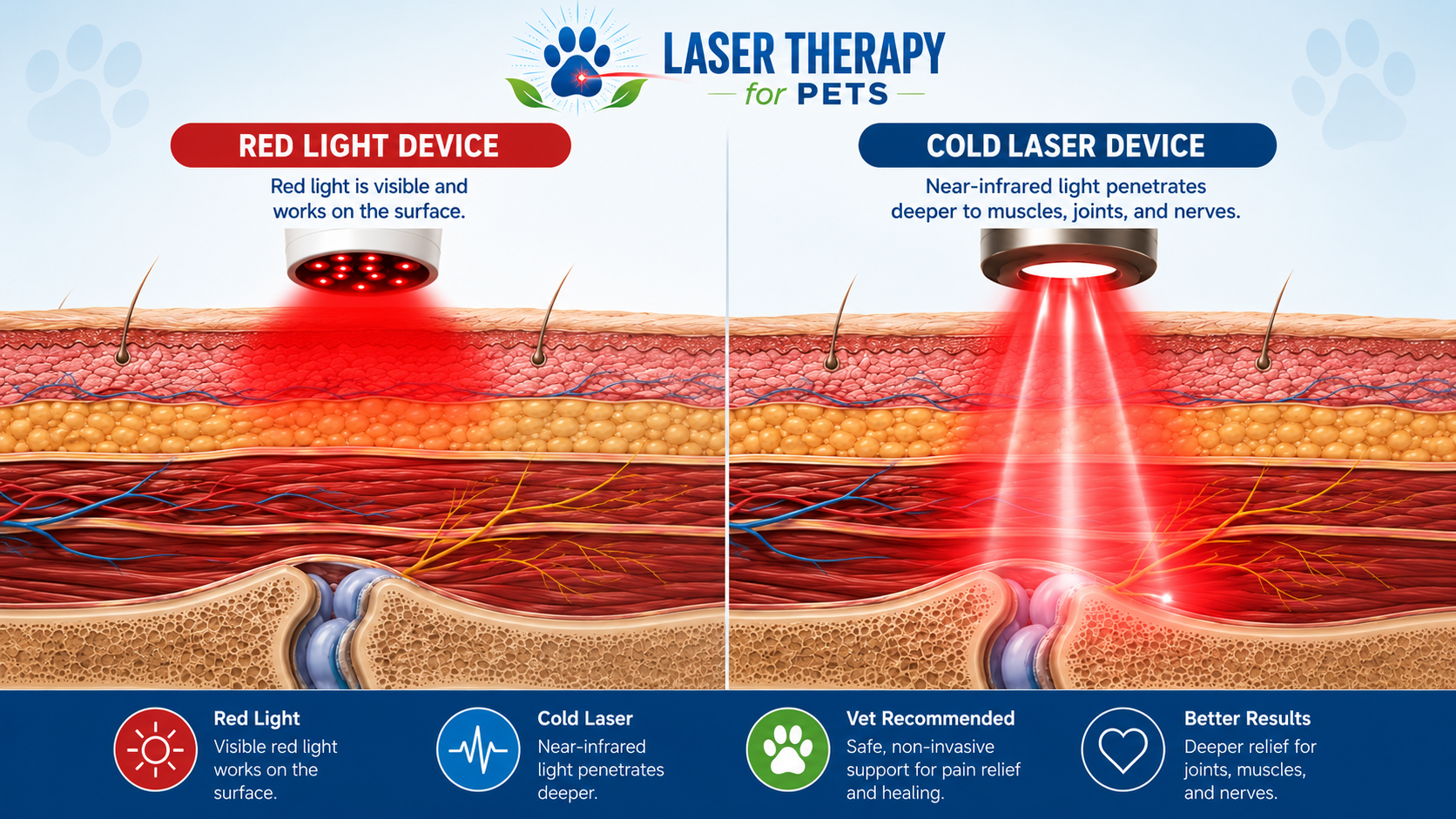
Visible red light can be helpful for surface-level tissue, especially skin. But many dog problems are deeper than the skin. Arthritis, back pain, knee injuries, tendon problems, muscle soreness, and nerve pain need light that can reach deeper tissue.
Simple red light devices only use visible red light in wavelengths near 630nm. A cold laser combines visible light with invisible infrared light that penetrates tissues better. That is why I prefer a high-quality cold laser with multiple wavelengths, including infrared and near-infrared light.
A simple red light tool may have a place for mild surface-level skin support. But when we are trying to help a painful joint, an inflamed back, or a deeper injury repair, we need a device designed for that deeper healing goal.
How Low-Level Laser Therapy Helps Pain, Inflammation, and Healing
When we use low-level laser therapy on a dog, we are not just hoping the area feels a little better. We are administering light energy to the tissue, and that light creates a biological response.
That response is why cold laser therapy can be useful for so many different dog problems. Arthritis, back pain, knee injuries, tendon strain, wounds, ear inflammation, and sore muscles may look like completely different conditions, but they often have the same problems underneath: pain, inflammation, poor circulation, irritated nerves, and cells that need more energy to repair.
Low-level laser therapy helps address those problems at the tissue level.
Light Energy Gives Cells Direct Energy
Cells need energy to heal.
When a dog has an injury or inflammation, the cells in that area are working hard. They need to clean up damaged tissue, communicate with nearby cells, rebuild structure, and restore normal function. Low-level laser therapy gives those cells light energy that stimulates activity inside the mitochondria. Mitochondria are the structures inside cells that produce energy.
That energy helps the cells repair and rebuild.
Increased Circulation Brings Repair Resources Into the Area
When we increase local circulation, we bring more oxygen, nutrients, and immune cells into the damaged tissue. At the same time, better circulation helps move out swelling, carbon dioxide, lactic acid, and other waste products that collect around sore or inflamed areas.
Better blood flow gives the tissue more of what it needs to heal, whether we are treating an arthritic joint, a swollen ear, or a knee injury.
Swelling and Inflammation is Reduced
Swelling and inflammation are part of the body’s normal healing response. But when that response gets stuck, the tissue can stay sore, puffy, tender, stiff, and slower to repair.
That is what we often see in arthritic joints, chronic back discomfort, soft tissue injuries, and irritated skin. The area is not just painful. It is congested with fluid and inflammatory debris that needs to move out.
Scientific research has found that low-level laser therapy reduces cellular inflammation and decreases inflammatory signals. Cold laser therapy helps move that process forward by improving drainage through the treated area. As blood flow and lymphatic movement improve, the body can flush away swelling, carbon dioxide, lactic acid, damaged-cell debris, and other waste products that collect around sore or inflamed tissue.
As swelling and pressure on nerves decrease, the tissue becomes less irritated and your dog becomes more comfortable. This is why a dog may start moving differently after a treatment. The body is not being forced. The tissue is responding.
Laser Therapy Relieves Pain Naturally
One of the most helpful effects of low-level laser therapy is natural pain relief, one of the primary treatment goals explained in our guide to conditions supported by cold laser therapy. When therapeutic light interacts with irritated nerves, it helps calm pain signals and supports the release of endorphins, the body’s own pain-relieving chemicals.
This is often the first change pet parents notice. A dog may take a deep breath, soften his eyes, settle into a more comfortable position, or stop guarding the painful area. Often that relaxation begins within the first few minutes of treatment.
Consistent pain control also matters because repeated pain signals can lead to wind-up pain. This happens when the nervous system becomes increasingly sensitive, so normal movement, touch, or mild inflammation begins to feel more painful than it should. By treating pain early and regularly, we help keep the nervous system from getting stuck in that heightened state.
As pain and inflammation improve, some dogs may need less pain medication. Early relief does not mean the injury is fully healed; it means pain signals are changing, inflammation is moving, and the body is releasing endorphins. Laakso et al., “Plasma ACTH and β-Endorphin Levels in Response to Low Level Laser Therapy (LLLT) for Myofascial Trigger Points.”
Which Dog Conditions Benefit From Low-Level Laser Therapy?
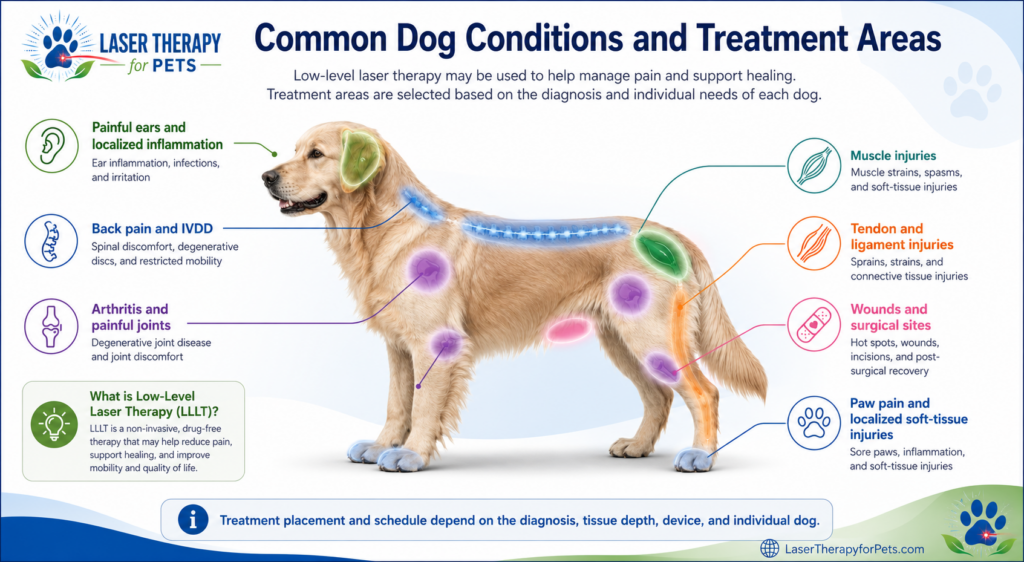
Low-level laser therapy can help with many different dog problems because, underneath the diagnosis, we often see the same healing challenges: inflammation, pain, poor circulation, irritated nerves, and cells that need more energy to repair.
That is why we can use the same healing tool for an arthritic hip, a sore back, a swollen ear, a strained muscle, or a wound that is slow to close. The treatment locations and schedule may change, but the goal is the same: administer light energy so the tissue responds and healing moves forward.
Humans have used light as a healing tool for thousands of years, long before we had the word photobiomodulation. Ancient medical traditions used sunlight therapy, and modern medical phototherapy became more formalized in the late 1800s. In 1903, Niels Finsen received the Nobel Prize in Physiology or Medicine for using concentrated light therapy to treat disease.
Today, veterinary research on laser therapy continues to grow, but we already have clinical evidence showing that low-level laser therapy can reduce pain, support musculoskeletal healing, improve wound repair, and stimulate tissue recovery.
Arthritis and Joint Pain
Arthritis is one of the most common conditions where I use cold laser therapy in dogs.
These are the dogs who stand up slowly after resting, hesitate before using stairs, feel stiff after a walk, or quietly shift weight away from a sore hip, knee, elbow, wrist, or hock.
Cold laser therapy helps by reducing inflammation around the joint, improving local blood flow, and calming irritated pain signals. Inside and around the joint, the light energy stimulates healing activity in tissues like tendons, ligaments, cartilage, and the surrounding soft tissue.
For arthritic dogs, repeat treatments make a big difference. Having a low-level laser at home allows us to treat soreness when it shows up and support joint health consistently over time. When we use the right laser, in the right locations, many dogs show noticeable pain relief within the first few minutes of a treatment.
Back Pain and IVDD
Back pain and IVDD are conditions where I have seen some of the most meaningful results with low-level laser therapy.
For these dogs, laser therapy is not just a small add-on. In many conservative back-injury plans, it becomes the main treatment tool we use to reduce inflammation around the spine, relieve pain, and help damaged tissue recover.
Dogs with back problems often become chronic because inflammation around the spine and disc can stay active long after the original injury. The dog may still be painful, guarded, weak, or stiff because swelling around the vertebral disc and spinal cord tissue continues to interfere with normal nerve function.
That is why treatment location matters. When we apply the laser correctly, we are thinking about the spine, the irritated nerves, the tight muscles, and the pathway of pain through your dog’s body. Low-level laser therapy helps relieve pain quickly and reduce inflammation around the spinal cord.
That inflammation is a major reason we see symptoms such as pain, weakness, wobbling, paralysis, and loss of bladder control. As the swelling decreases and the tissue response improves, your dog’s back can begin moving out of that inflamed state and into repair.
In a 2012 canine IVDD study, dogs receiving low-level laser therapy after surgery returned to walking faster than dogs treated with surgery alone. That study shows how strongly laser therapy can influence tissue healing and return to movement in dogs with disc disease.
In my own work with IVDD and back-injury dogs, low-level laser therapy is often the center of the conservative care plan. It gives us a non-invasive way to reduce inflammation, relieve pain, and help the back move into repair. Using cold laser therapy, I have helped many dogs with serious back injuries and paralysis return to normal activity with this approach. Each case is unique and depends on the severity of the injury, the dog’s symptoms, treatment response, and healing progress.
Tendon, Ligament, and Knee Injuries
Tendons and ligaments need steady healing support because they repair slowly and stay under mechanical stress every time the dog walks, turns, jumps, or slips.
When we are working with torn ligaments, strained tendons, sore shoulders, knee injuries, pulled muscles, or other soft tissue damage, the goal is to help the injured tissue repair instead of staying inflamed and painful. Low-level laser therapy does that by increasing circulation, reducing swelling, relieving pain, and stimulating healing activity directly in the damaged area.
This is where home treatment can make a big difference. A single treatment can help, but these injuries usually need consistency. We can use the laser daily while also controlling activity so the tissue has a chance to strengthen.
Photobiomodulation research shows that light can influence cell behavior and tissue repair processes, which is part of why laser therapy is so useful for connective tissue healing. This evidence includes Silva et al.’s 2020 Systematic Review of Photobiomodulation Therapy (PBMT) on the Experimental Calcaneal Tendon Injury in Rats.
Wounds, Skin Irritation, and Slow-Healing Tissue
Cold laser therapy is one of my favorite tools for wounds and irritated skin because we can stimulate blood flow, reduce inflammation, and encourage repair without constantly rubbing, scrubbing, or bothering tissue that is already painful.
In a canine traumatic wound study, low-level laser therapy decreased bacterial loads and improved wound scores. Another study on chronic wounds in dogs found that 830 nm photobiomodulation therapy significantly reduced wound area and helped accelerate the chronic wound healing process.
Cold laser therapy is one of my favorite tools for wounds and irritated skin because we can stimulate blood flow, reduce inflammation, and encourage repair without constantly rubbing, scrubbing, or bothering tissue that is already painful.
Ear Infections
Ear problems are a great example of how cold laser therapy can work alongside more conventional treatments. When the ear canal is swollen, itchy, painful, or narrowed, even basic care becomes harder. Cleaning may be uncomfortable, ear drops may not reach where they need to go, and the dog may keep shaking, scratching, or rubbing the side of the face because the tissue feels so irritated.
This is where low-level laser therapy can change the direction of the case.
By increasing circulation and improving drainage around the ear, cold laser therapy helps reduce swelling, pressure, and pain. As the tissue calms down, the ear canal can open more and the dog becomes much more willing to tolerate the rest of the treatment plan.
We are not only dealing with wax, odor, or discharge. We are improving the condition of the ear tissue itself so cleaning, flushing, and topical treatments can work better.
I especially like cold laser therapy for dogs with chronic ear inflammation, narrow ear canals, painful swelling, irritated ear flaps, or constant scratching that keeps re-injuring the area. When we reduce pain and swelling first, the whole process becomes kinder for the dog and easier for the family.
Is Low-Level Laser Therapy Safe for Dogs?
Low-level laser therapy is very safe for dogs because home cold lasers are designed to deliver therapeutic light energy in a controlled way. A Class I laser disperses light over a larger treatment area compared to a high-powered Class IV veterinary laser. For example, a Class I laser may cover an area about the size of a quarter, while a Class IV laser can concentrate energy into an area closer to the size of a pencil eraser. That concentrated delivery is one reason Class IV lasers can complete a treatment in 1 to 2 minutes, while a home low-level laser may take 5 to 15 minutes to deliver the therapeutic dose. We are still working with the same biological mechanism of photobiomodulation, but we are delivering the light in a safer, gentler, more home-friendly way.
These home devices are also built with user eye safety in mind, which makes them a much better fit for trained pet parents than Class IV veterinary lasers.
For most families, a high-quality low-level laser gives us the safest and most practical way to bring real laser therapy into the home.
What a Cold Laser Treatment Feels Like For Your Dog
A proper cold laser treatment does not hurt, burn, or get hot. It is a calm therapy session that most dogs tolerate very well, especially when we introduce it gently and let the dog relax into the process.
The first part of a treatment is where we are often helping the nerves settle before we work more directly over the sore area. When a dog is painful, the nerves around that injury can become overactive and sensitive. By starting above the painful spot, around the surrounding tissue, or along the nerve pathway, we can help desensitize the area and make the rest of the session even more comfortable.
Scientific research has shown that as the light energy moves through the tissue and interacts with nerves, the body releases endorphins. Those endorphins are your dog’s own natural pain-relieving chemicals. They help calm pain signals, relax the body, and allow the nervous system to soften.
That is why some dogs look more comfortable within the first few minutes of a session.
You may see your dog turn his head, shift his body, take a deep breath, soften his eyes, or settle into a more relaxed posture. Those are good signs. The light is reaching tissue that needs help, the nerves are responding, and the body is beginning to move out of that guarded pain state.
A low-level laser treatment is not a procedure your dog has to endure. It is a healing session we can repeat consistently at home, and many dogs begin to understand that the treatment brings relief.
Essential Eye and Positioning Safety
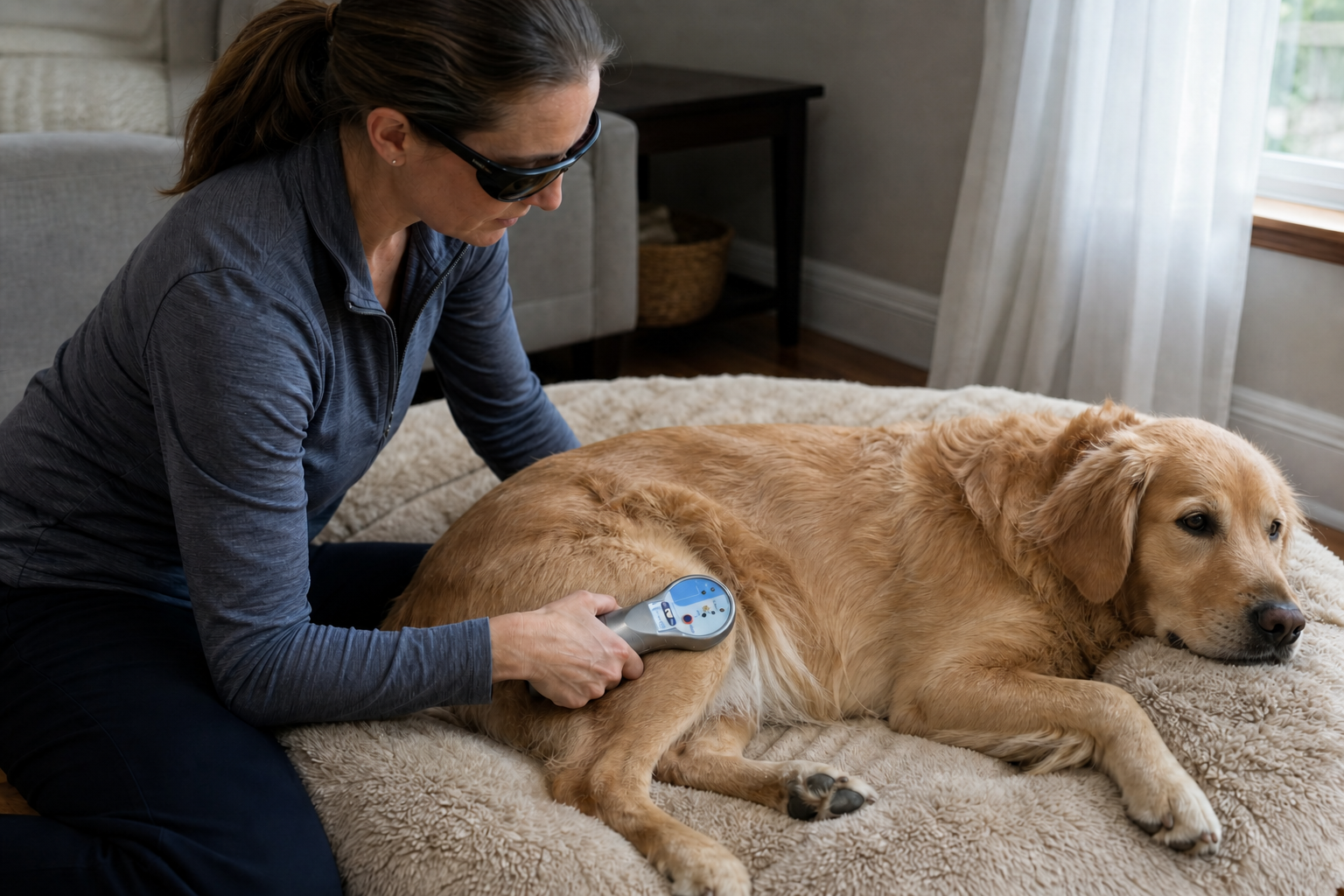
The main safety rule with any laser or bright light is simple: we do not shine it directly into the eyes. Any bright light shining into the eyes can cause temporary or permanent vision changes.
This does not need to make home laser therapy feel intimidating. We use the same common sense we would use with the sun, a flashlight, or a laser pointer. We position your dog comfortably, aim the laser at the treatment area, and keep the light away from the eyes. You can use a towel or a pillow to block your dog’s line of sight to the laser if necessary.
If your dog is curious, I like to let him sniff the device while it is turned off. That little introduction can make the whole session easier. Once he realizes this is not scary or painful, we can position him so his eyes are naturally facing away from the light and the treatment area is easy to reach.
Protective eyewear requirements become much more stringent with high-powered Class IV equipment, which I explain in the comparison below.
When Not to Use Cold Laser Therapy
In my home-treatment protocols, I avoid or use special caution with the following:
- Direct exposure to the eyes
- Direct treatment over the thyroid gland
- Direct treatment over a known benign or malignant growth
- Previously removed masses or fatty lumps
- Pregnancy or lactation
- Growing puppies
- Areas with unexplained bleeding
At-Home Low-Level Laser Therapy vs In-Clinic Class IV Laser Therapy
This is where my opinion is different from what many pet parents hear in a traditional veterinary clinic.
I have used laser therapy in both clinic settings and home-care settings, so I understand the appeal of a Class IV laser in a busy veterinary hospital. The treatment time is short, the machine looks impressive, and it fits neatly into an appointment schedule. But when we are talking about the dog’s actual healing experience, I do not think faster dose delivery is better. In my experience, low-level laser therapy administered at home once a day provides consistent pain control and a faster healing response than taking your dog into a hospital once a week.
At-home low-level laser therapy uses the same photobiomodulation mechanism we are trying to create with clinic laser therapy. The difference is how the light is delivered. Instead of concentrating high-powered laser energy into a very small area for 1 to 2 minutes, we use a safer laser device that disperses the light over a larger area and delivers the therapeutic dose over about 5 to 15 minutes.
Why I Prefer At-Home Laser Therapy for Most Dogs
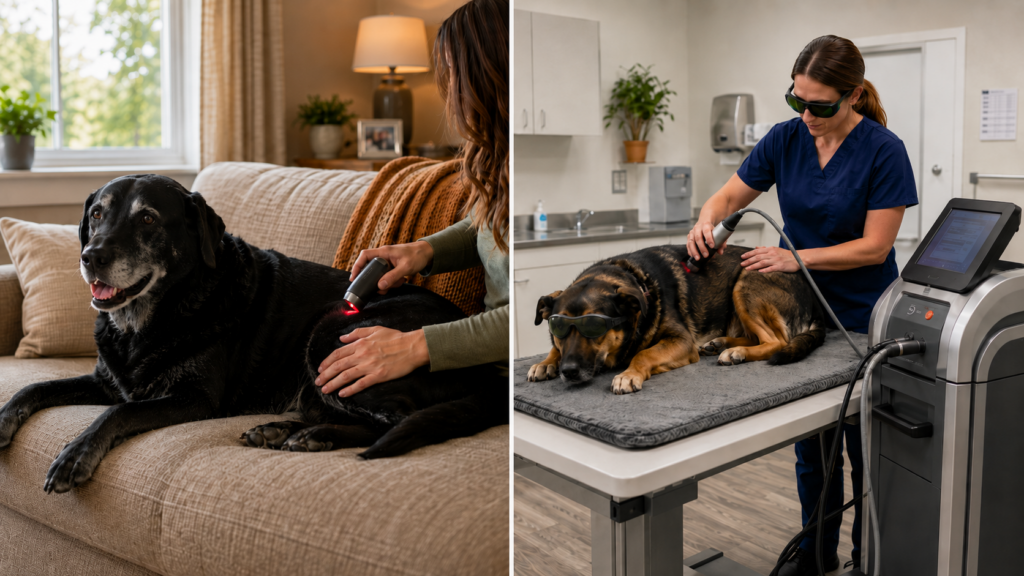
When we use a home cold laser, your dog can stay in the place where he already feels safe. He can lie on his bed, stay relaxed, and receive consistent treatments without the stress of a car ride or a clinic visit.
An arthritic senior dog may hurt after being lifted into the car. A dog with back pain may tense his whole body during the drive. A dog with a knee injury may slip on clinic floors. Even if the actual Class IV laser session only takes a minute or two, the whole appointment may be a lot on a painful dog’s body.
At home, we can keep treatments calm and consistent. We can treat daily when needed and adjust the session around how your dog feels that day.
That reduction in stress and daily consistency are some of the biggest reasons I like home laser therapy.
Why Stronger Is Not Always Better
A Class IV laser is stronger, but stronger is not automatically better for healing.
The goal of laser therapy is not to overpower the tissue. The goal is to create the right cellular response. We want better circulation, less inflammation, calmer nerves, natural pain relief, and stronger repair activity.
A high-powered Class IV laser can deliver light quickly, but it also carries more risk if it is used incorrectly. Class IV lasers can produce heat, require special light-blocking goggles for people and pets, and need correct training and administration techniques.
For professional use, Class IV lasers can have a place. For home use, I prefer a properly designed low-level cold laser because it gives us a better balance of safety, comfort, and repeatability.
How to Choose the Best At-Home Laser Therapy Device for Dogs
I have worked with many laser classes, brands, and device styles over the years. When I am choosing a home laser therapy device for a dog, I want three things: it needs to be safe for a trained pet parent, capable of reaching the tissue we are trying to heal, and easy to use without complicated settings.
A device can have impressive marketing, but if the company does not tell us the wavelengths, power, treatment timing, or safety guidance, I do not consider that a serious therapeutic tool.
What I Look for in a Home Laser Therapy Device
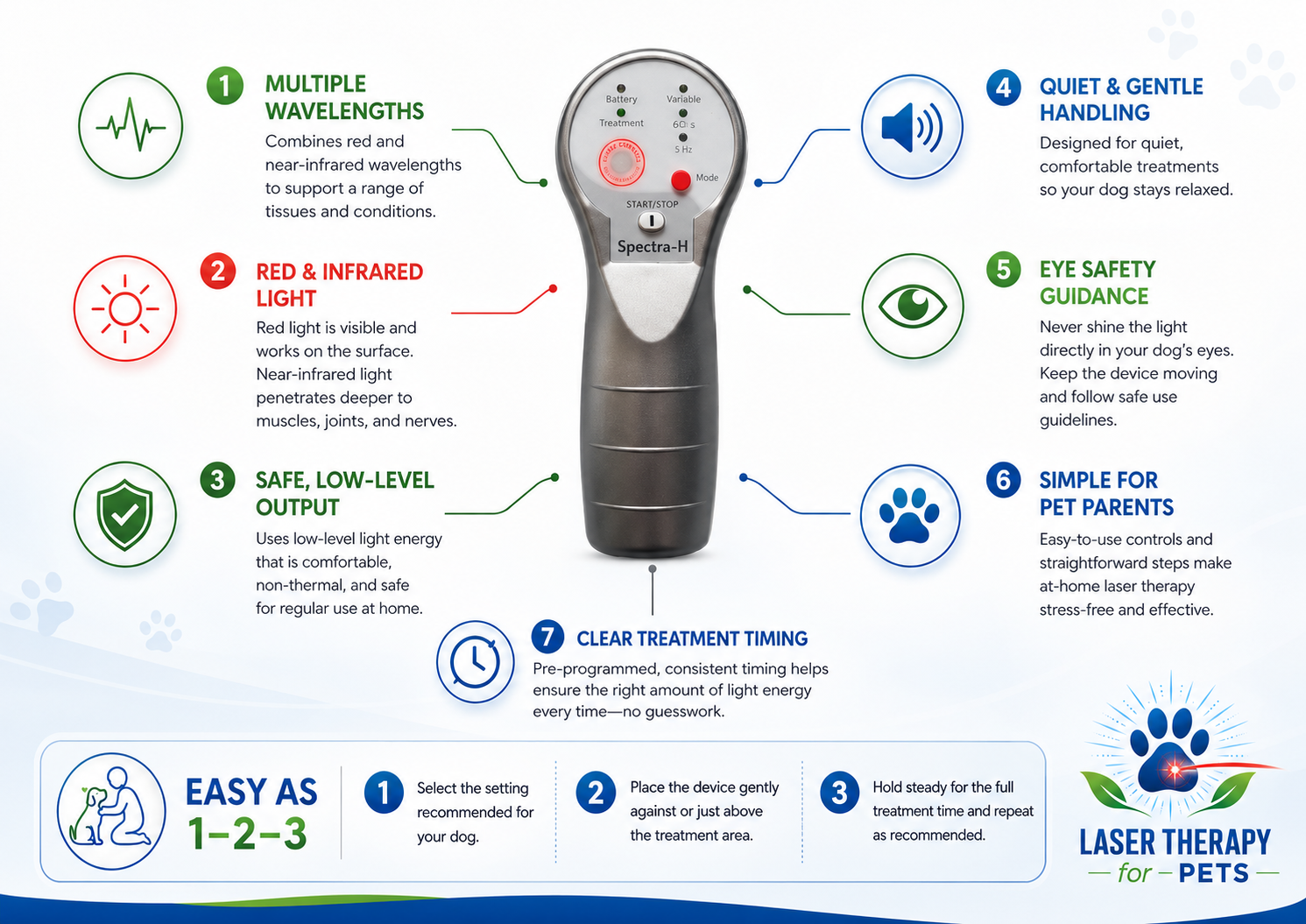
When I evaluate a home laser therapy device for dogs, I want to see clear, practical information. A good device should include:
- listed wavelengths
- Invisible infrared light combined with visible red light
- multiple wavelengths when possible
- safe low-level output for home use
- clear treatment timing
- practical eye safety guidance
- simple instructions for pet parents
- company transparency about device specifications
Pet parents should not have to measure energy output, calculate treatment doses, or guess how long to hold the device over each area every time they treat their dog. The device should make the process simple enough that you can use it without feeling overwhelmed.
A high-quality cold laser with multiple wavelengths is a much better choice than a cheap red LED light gadget that does not explain power, depth, timing, or technical specifications.
Device Features That Matter Most
| Feature | Dr. Candy’s Recommendations |
| Wavelengths | Multiple wavelengths, including visible red light plus invisible infrared light, usually within the 500 to 950 nm range |
| Power output | Low-level output that is safe and practical for home use |
| Pulse style | Pulsed or superpulsed settings, especially for acute injuries |
| Noise and handling | Quiet, non-threatening, and easy to hold near your dog’s body |
| Treatment timing | Clear instructions so you know how long to treat each area |
| Additional modalities | Devices that include magnetic therapy reduce inflammation faster |
Devices Dr. Candy Does Not Recommend
I would avoid any home device that makes big promises but gives very little real information.
That includes devices that:
- claim to fix almost everything with no reasonable limits
- do not list wavelength information
- do not explain power output
- rely only on vague “red light therapy” language
- become noticeably hot during normal use
- promote high power as the main selling point
- does not provide treatment timing instructions
- look like a basic red LED light but claim to treat deep joint, back, or ligament injuries
A home laser does not need to be complicated, but it does need to be specific. If we are trying to help arthritis, IVDD, knee injuries, tendon strain, wounds, or swollen ears, we need a device designed for real tissue response.
Cold Laser Devices This Veterinarian Recommends
The right home laser depends on your dog’s size, the area we are treating, and the type of injury or condition we are trying to help.
Most of the time, I recommend a high-quality low-level laser with multiple wavelengths and at least one wavelength over 800 nm. That gives us the ability to reach deeper tissue while still keeping the treatment safe and practical for home use.
For the dogs I work with, that balance matters most: the right wavelengths, safe low-level output, clear instructions, and a device you can use consistently without stressing your dog. When those pieces are in place, home laser therapy becomes much easier to use as part of a real treatment plan. You can check out the laser device that i use every day Spectra H or browse my others lists and reviews.
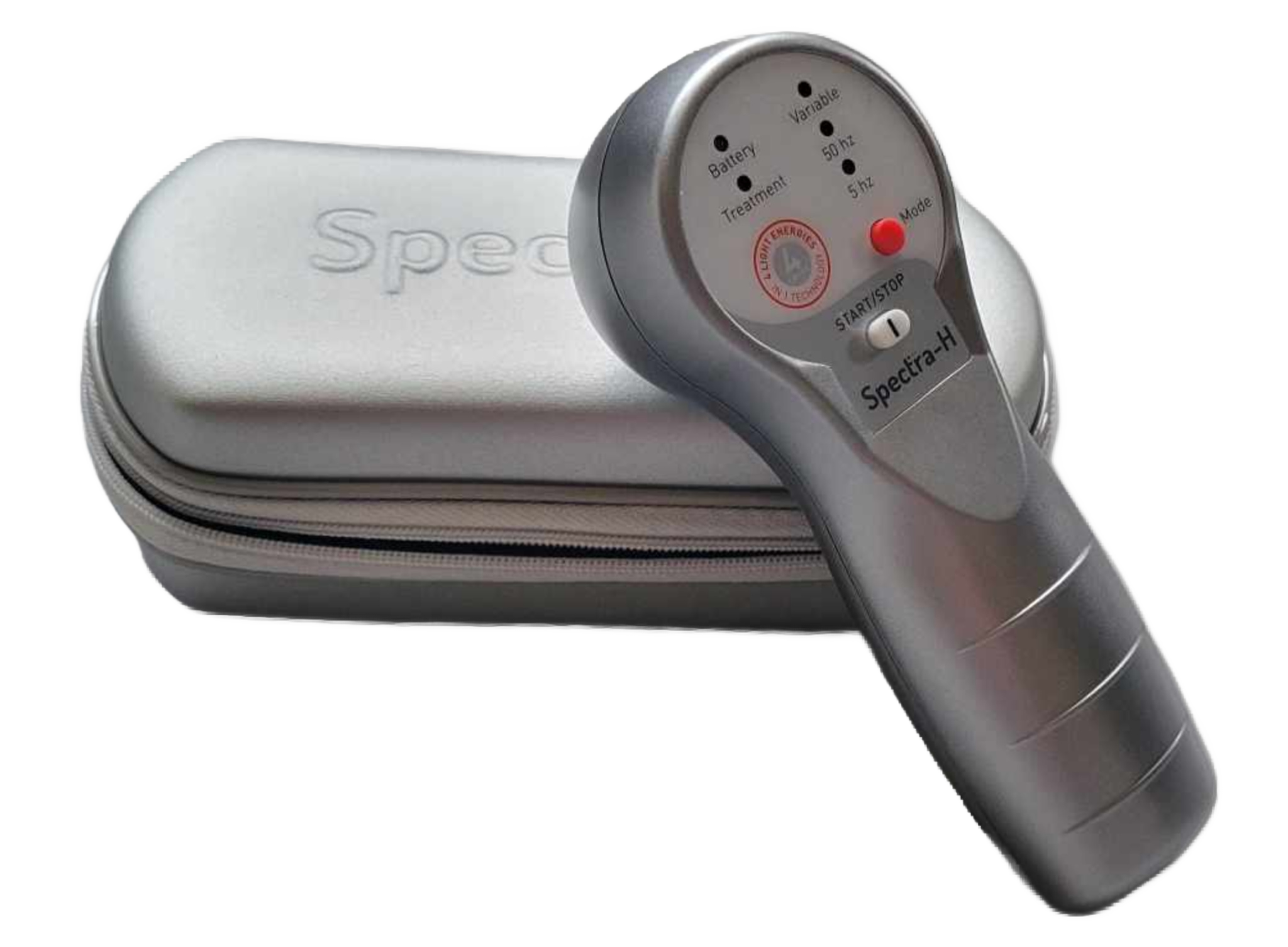 Dr. Candy’s recommended at-home laser
Meet the Spectra H
See why Dr. Candy recommends this multi-wavelength, low-level laser for practical, consistent therapy at home.
How Often Should You Use Low-Level Laser Therapy on Dogs?
As a veterinarian who has used cold laser therapy for pets for over 14 years, I recommend that most dogs with mild to moderate conditions receive one laser therapy session per day. The right frequency depends on the condition, the stage of healing, the goal of treatment, the laser device being used, the area we are treating, and how your dog responds.
I have used laser therapy on many different schedules over the years. I have done single sessions for pain relief or calming, and I have also scheduled repeat appointments twice a week for arthritis. But the results changed when I began renting my laser device to pet parents and teaching them how to do treatments at home once a day.
That daily consistency made a huge difference.
When dogs received laser therapy every day, I saw better and faster healing responses. I could see the progress at weekly follow-ups, and pet parents were noticing changes at home day by day. Their dogs were more comfortable, moving better, happier, and often needed less medication as their pain and inflammation improved.
Daily Treatments for Pain and Inflammation
When a dog is painful, stiff, swollen, or actively inflamed, daily treatment usually gives us the best response.
Daily treatment is often helpful when a dog is in an active flare-up, especially with joint pain, back pain, soft tissue injuries, or slow-healing wounds. During this phase, we are improving circulation so the damaged tissue receives fresh red blood cells, white blood cells, oxygen, and nutrients.
Daily treatments can provide natural pain relief and may help reduce the need for higher doses of pain medication. Staying ahead of your dog’s pain response also helps prevent what we call “wind-up pain.” Wind-up pain happens when the nervous system keeps receiving pain signals over and over until it becomes more sensitive. At that point, even a smaller amount of inflammation or movement can feel much more painful to your dog.
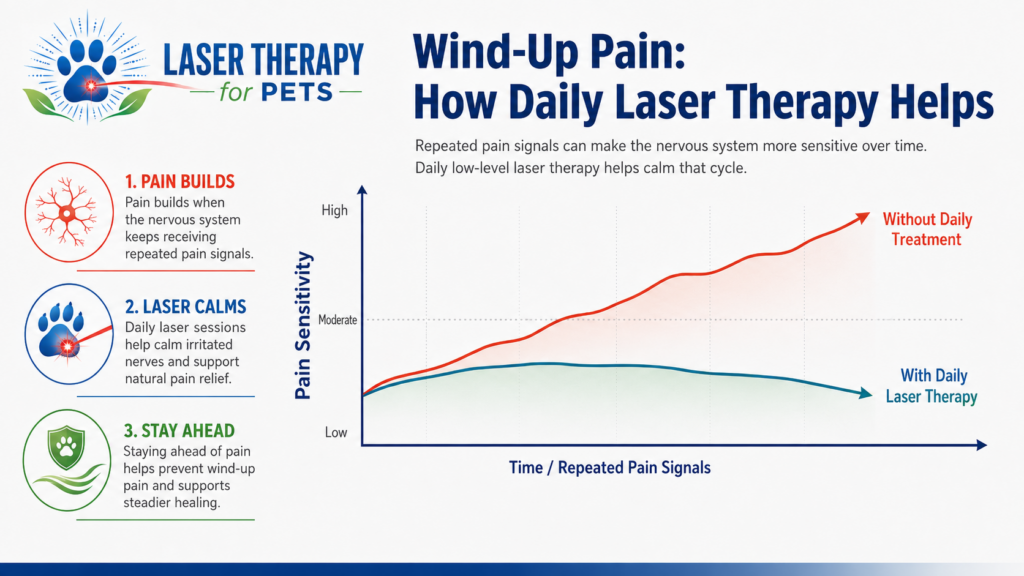
This is one reason I like treating pain early and consistently. When we use cold laser therapy daily during an active flare-up, we are not just chasing pain after it gets severe. We are helping calm the nerves, reduce inflammation, and keep the body from getting stuck in that elevated pain cycle.
Another advantage of daily sessions is that you can evaluate your dog every day. As you get your dog ready for the session, you can gently use your hands to feel the area you are treating. That daily check can give you helpful clues about how the condition is progressing.
You may notice changes in swelling, heat, bruising, muscle tightness, soreness, or nerve sensitivity. You may also notice that an area feels less guarded than it did the day before, or that your dog is more comfortable being touched. Those small details matter because they help us see whether the tissue is calming down, flaring up, or responding to treatment.
Daily Cold Laser Treatment Log
I recommend that pet parents keep a simple treatment log at home because it helps us see patterns, measure progress, and make better decisions instead of relying on memory.
Track:
- Date
- Area treated
- Treatment time
- What you noticed during the session
- Pain level before treatment
- Mobility later that day
- Mobility the next morning
- Medications or supplements used
- Activity level
- Any possible flare triggers
Those details help us understand how your dog is responding, what is working, what may need to change, and how we can keep the healing plan moving in the right direction.
Dr. Candy’s Cold Laser Therapy Tracker
Record treatment dates, target areas, session length, comfort, mobility, and notes so you can spot patterns and follow your dog’s progress.
Home therapy also gives you timing flexibility. Laser therapy does not have to happen at one exact time every day. You can treat your dog in the morning if stiffness is worse after sleep, in the evening after activity, or anytime your dog is calm and resting comfortably.
For some conditions, I have seen better results when the laser session is done near bedtime. After treatment, your dog’s body can relax while those tissues have better circulation, less inflammation, and stronger repair activity during the night.
Bedtime treatments can also reduce pain before your dog settles down to sleep. That may help prevent restlessness, pacing, or self-soothing behaviors like obsessive licking, so you and your dog can rest more comfortably through the night.
What You May Notice After a Treatment
Many dogs show pain relief quickly because the light is interacting with nerves and triggering natural pain-relieving chemicals in their body.
You may notice your dog lie down, soften his eyes, stretch out, take a deeper breath, or relax their posture during a session.
Internal tissue repair gets a boost after the laser light administration. My clients often see a reduction of swelling and better mobility in the first few hours after the session.
Deeper repair takes longer. A sore joint, irritated disc, strained tendon, torn ligament, or wound needs repeated sessions because tissue repair is a process. The early change may be comfort. The longer-term change is better movement, less swelling, and improved function.
When to Reduce the Frequency
Once your dog is moving better, resting more comfortably, and showing less soreness, we can usually reduce the schedule.
For many chronic conditions, I may move from daily treatments to every other day, then a few times a week for maintenance. Arthritis, old injuries, chronic back problems, and recurring ear inflammation may require ongoing support.
The goal is not to use the laser forever. The goal is to use it often enough to stimulate healing until a return to normal function.
To learn more specifics about how to actually administer a laser therapy session on your dog, check out my complete step-by-step instructions and details in this article called “How to Administer Low Level Laser Therapy on Your Dog- Vet Explains”.
Final Thoughts from Dr. Candy
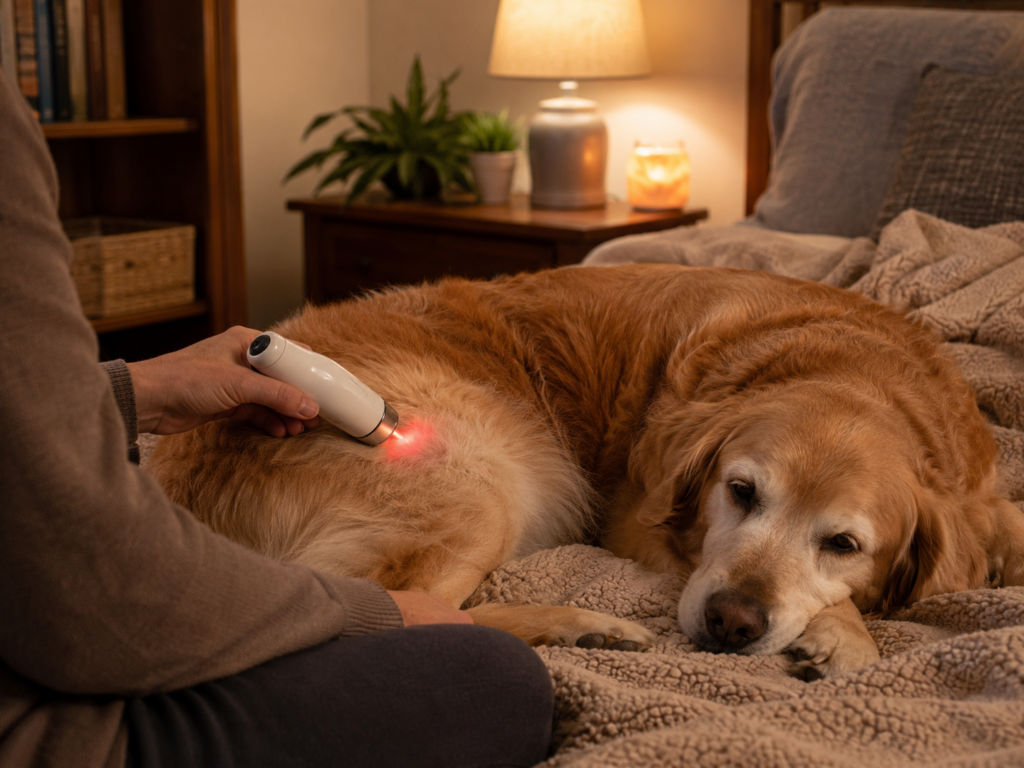
Low-level laser therapy in dogs is one of the most powerful healing tools we can use at home. When we administer the right light energy correctly, we can relieve pain, reduce inflammation, improve circulation, and help damaged tissue repair.
That is why I do not think of cold laser therapy as “just comfort care.” When it is used correctly, it can become a meaningful part of your dog’s healing plan, especially for arthritis, back pain, IVDD, soft tissue injuries, wounds, and ear infections.
After more than 14 years of using laser therapy in both clinic and home-care settings, I have seen the biggest difference when pet parents are able to treat their dogs with low level laser therapy consistently at home. Daily treatments allow us to stay ahead of pain, support the tissue while it is actively healing, and make adjustments based on how your dog responds.
The goal is simple: help your dog feel better, move better, and heal naturally. When we choose the right low-level laser, use it consistently, and pay attention to your dog’s comfort and progress, home laser therapy can become one of the most valuable tools we have.
FAQs About Low-Level Laser Therapy in Dogs
Yes. Low-level laser therapy is safe for dogs when you use a quality home device as directed and keep the light out of the eyes. A cold laser should not feel hot, painful, or stressful.
For most mild to moderate conditions, I recommend one session per day during active pain, inflammation, or healing. Once your dog improves, you can usually reduce to every other day or a few times per week for maintenance.
Many dogs show pain relief or relaxation within the first few minutes of a laser treatment. Deeper tissue repair takes longer and usually requires consistent treatments over days or weeks.
Low-level laser therapy can help with arthritis, back pain, IVDD, knee injuries, tendon and ligament injuries, muscle soreness, wounds, swollen ears, and inflammatory skin problems.
A quality at-home low-level laser uses the same photobiomodulation response as Class IV veterinary clinic laser therapy. The difference is that home therapy uses lower power over a slightly longer session, which allows safer, calmer, and daily tissue support.