
What Is Cold Laser Therapy for Pets?
Cold laser therapy uses specific wavelengths of light to support the body’s natural responses to pain, inflammation, circulation, and tissue repair. It is non-invasive, drug-free, and commonly used alongside a pet’s veterinary care plan.
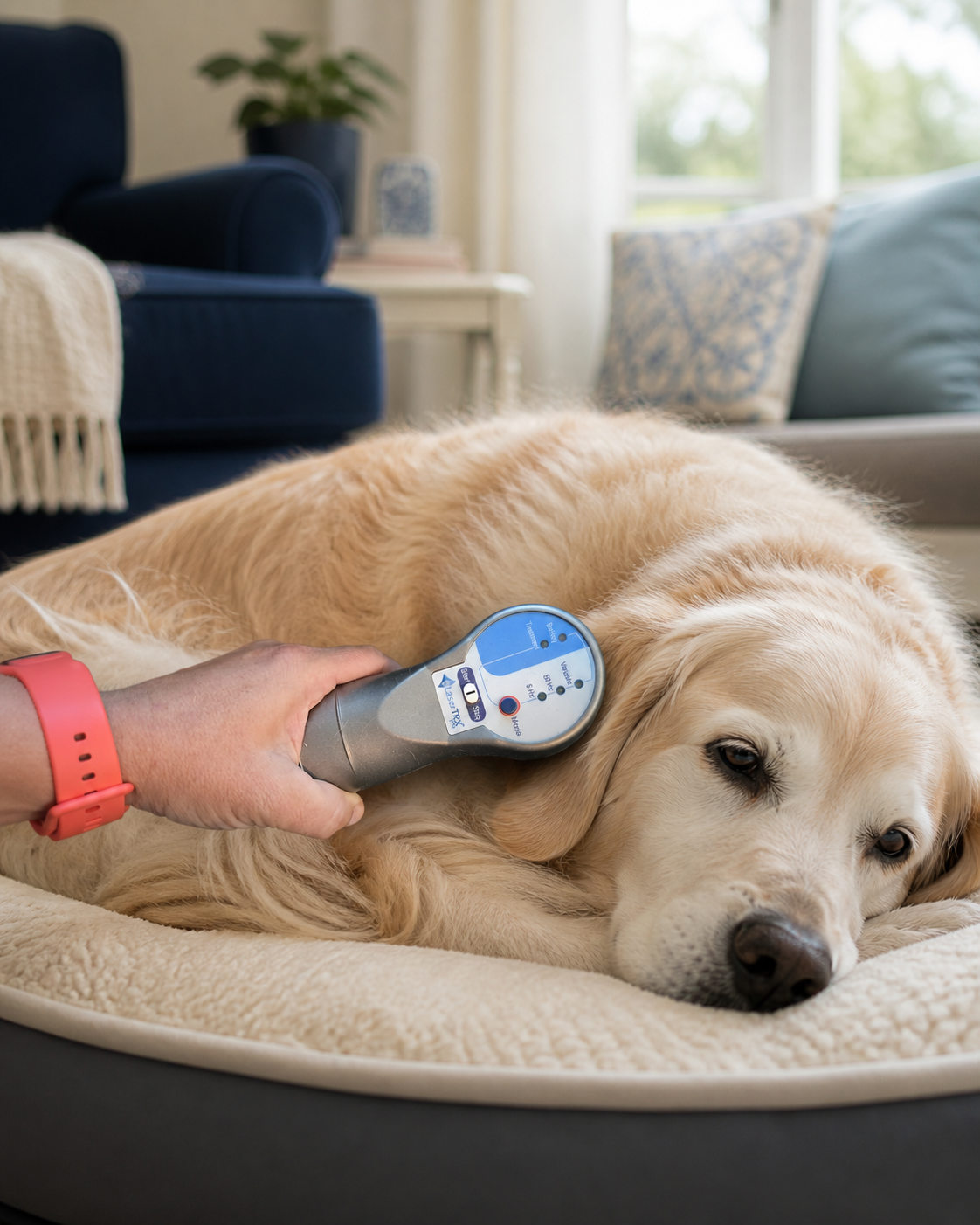
Therapeutic light that helps cells respond.
Unlike a surgical laser, a cold laser is not used to cut tissue. It delivers light energy to a treatment area, where that light can influence cellular activity and support the healing process.
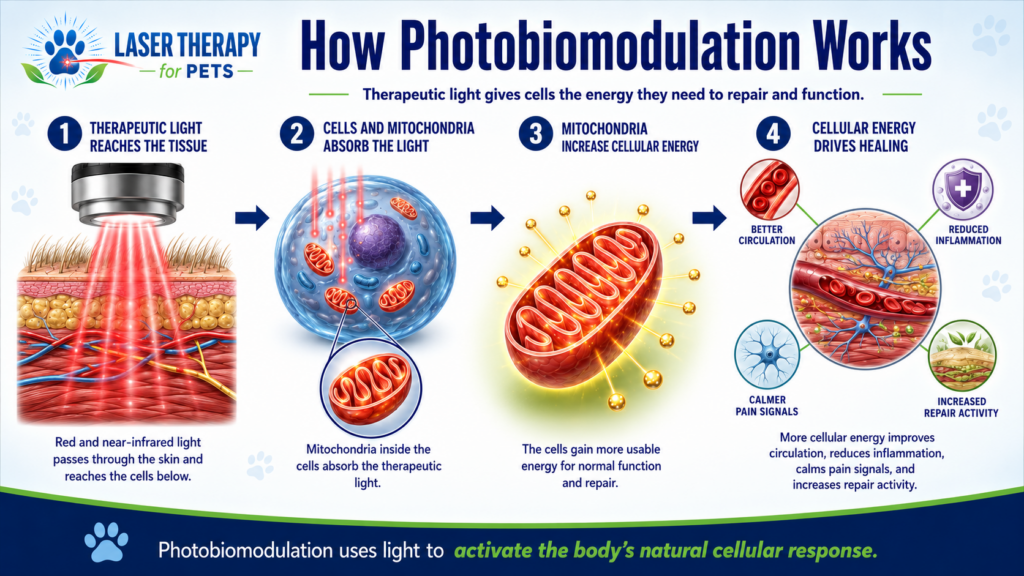
Photobiomodulation means using light to change biological activity. In practical terms, carefully selected red and infrared wavelengths interact with tissue and may help improve local circulation, support cellular energy production, calm excessive inflammation, and reduce discomfort.
Why is it called “cold”?
“Cold” distinguishes it from hot surgical lasers. The device is not meant to burn or remove tissue. A properly performed low-level treatment should be comfortable for the pet.
Light starts a biological response inside the tissue.
Different problems can share the same underlying challenges, including pain, swelling, poor circulation, irritated nerves, and cells that need energy for repair.
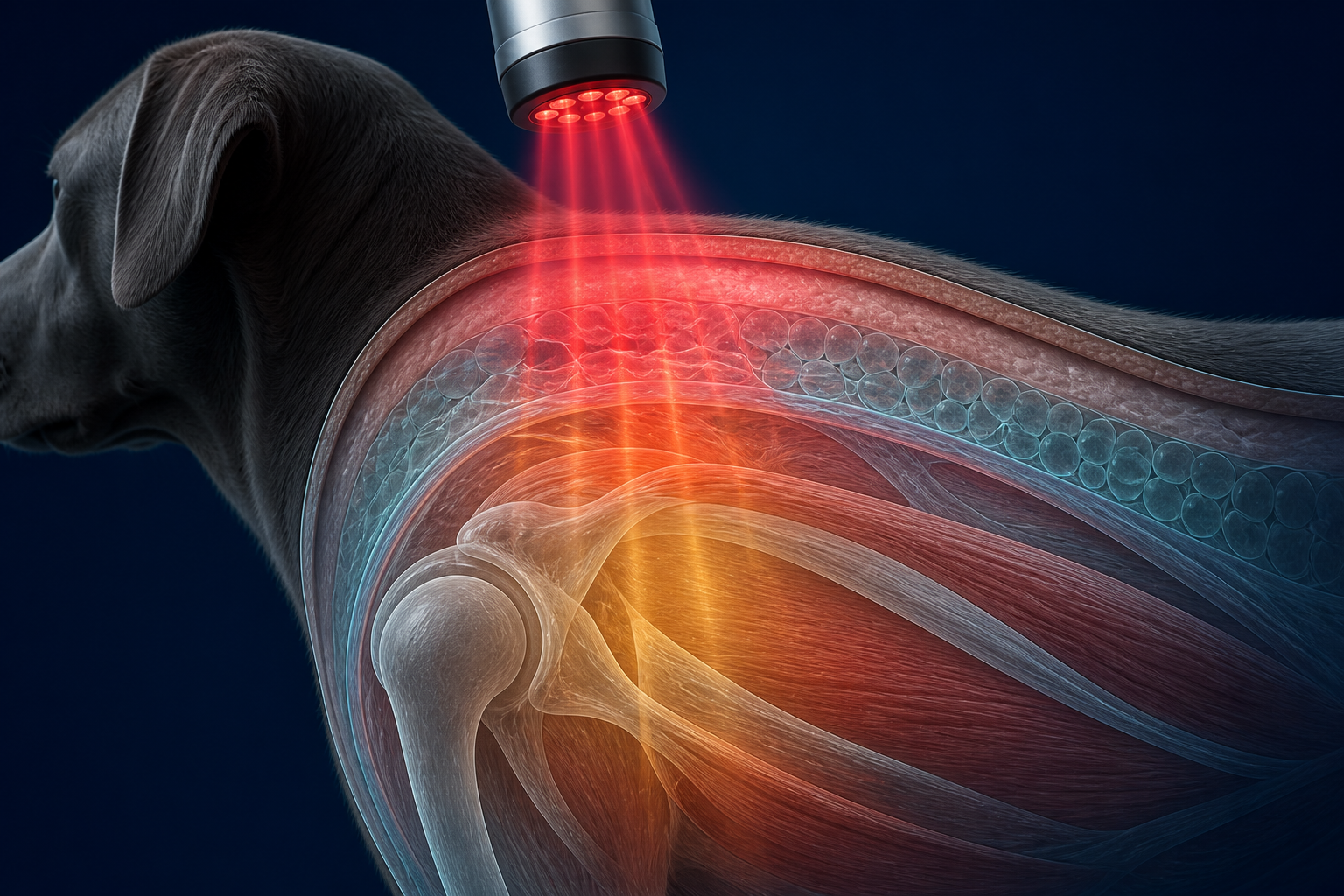
Light reaches the area
Selected wavelengths are directed toward the treatment site. Red light is useful closer to the surface, while infrared wavelengths can reach deeper tissue.
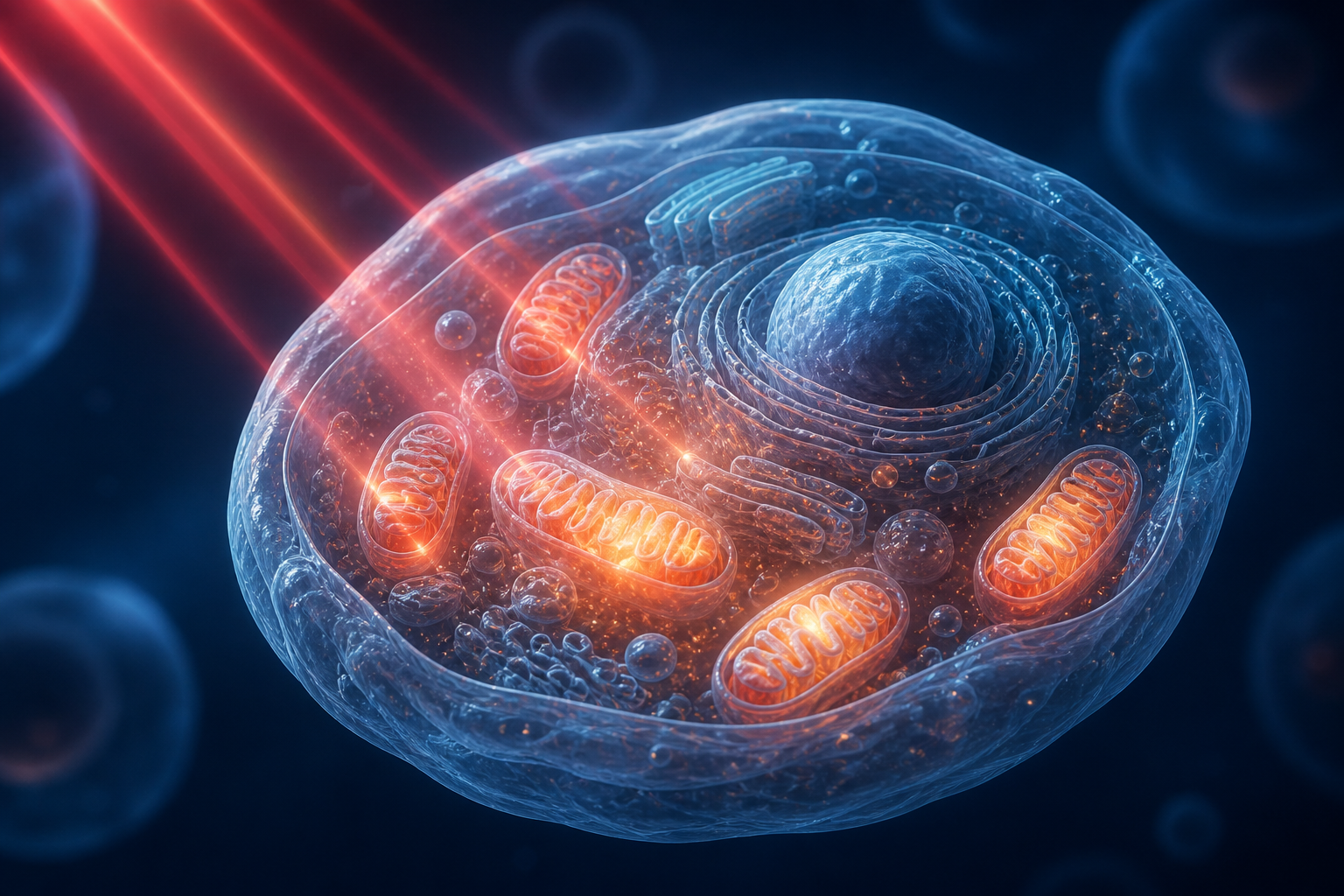
Cells absorb energy
Light interacts with structures inside cells, including mitochondria, which are involved in producing the energy cells use for normal activity and repair.
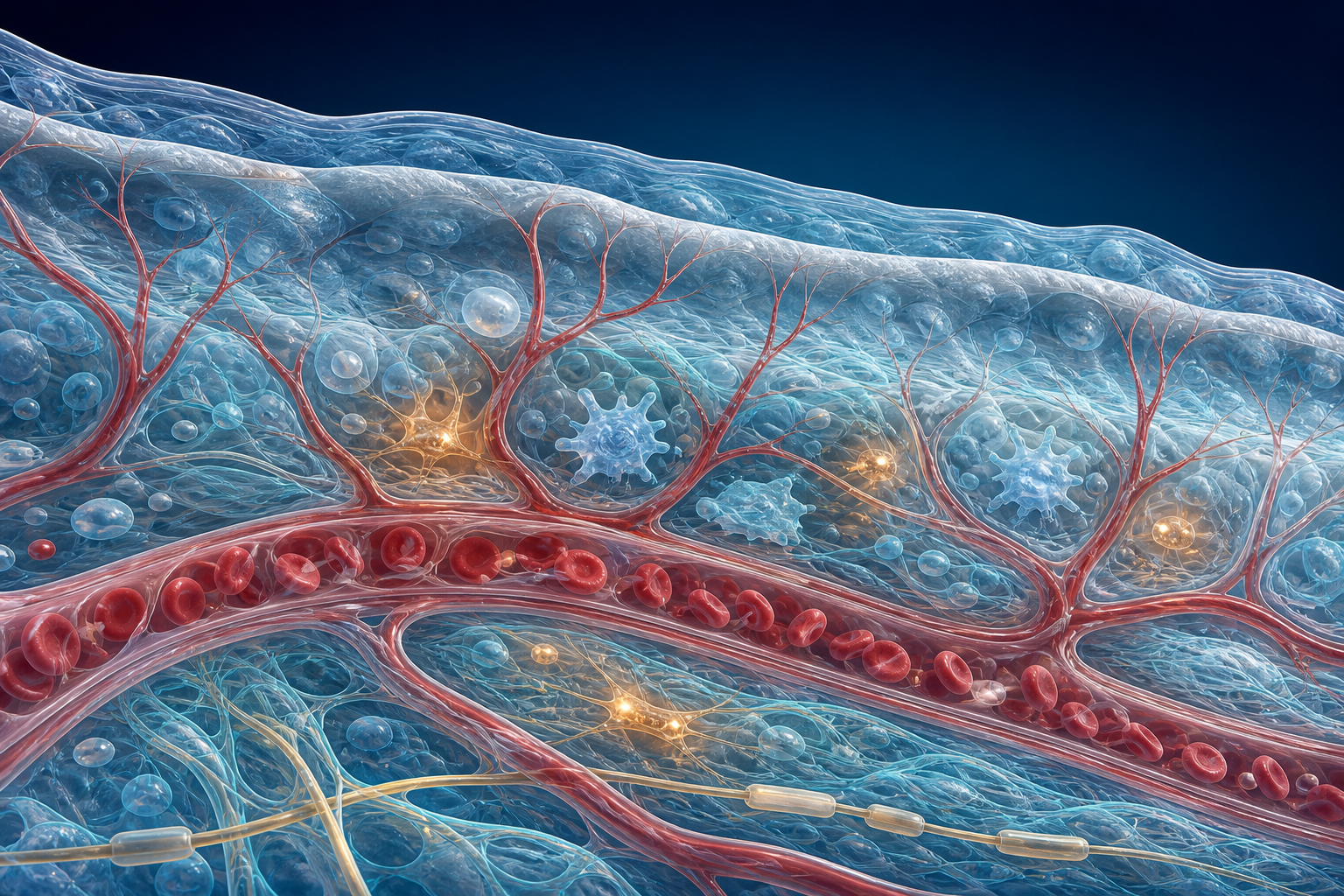
Tissue responds
The resulting response may support circulation, regulate inflammation, calm pain signals, and help the body’s repair processes move forward.
Support healing without forcing the body.
Laser therapy does not physically move a joint or mask every signal. The goal is to create conditions that help tissue function and repair more effectively.
Conditions Dr. Candy Uses Laser Therapy For
Dr. Candy incorporates photobiomodulation into individualized care plans for a range of common conditions. The treatment area, dose, schedule, and overall approach are tailored to the pet, the affected tissue, and the stage of recovery.
Osteoarthritis
Helps reduce joint inflammation and discomfort while supporting easier, more comfortable movement.
Read Dr. Candy’s arthritis guide →Hip dysplasia
Targets inflammation and pain around the hips to support comfort, strength, and mobility.
IVDD and back pain
Helps calm inflammation, irritated nerves, and protective muscle tension surrounding the spine.
CCL and knee injuries
Supports pain relief, swelling control, and soft-tissue recovery as part of an individualized care plan.
Muscle and tendon strains
Promotes circulation and tissue repair in strained muscles, tendons, and surrounding soft tissue.
Wounds and skin conditions
Supports circulation, inflammation control, and tissue repair in wounds, irritated skin, and other appropriate dermatologic conditions.
At-home low-level laser vs. Class IV clinic treatment.
Both approaches use photobiomodulation, but they differ substantially in power, safety controls, treatment environment, session length, and how pets experience care.
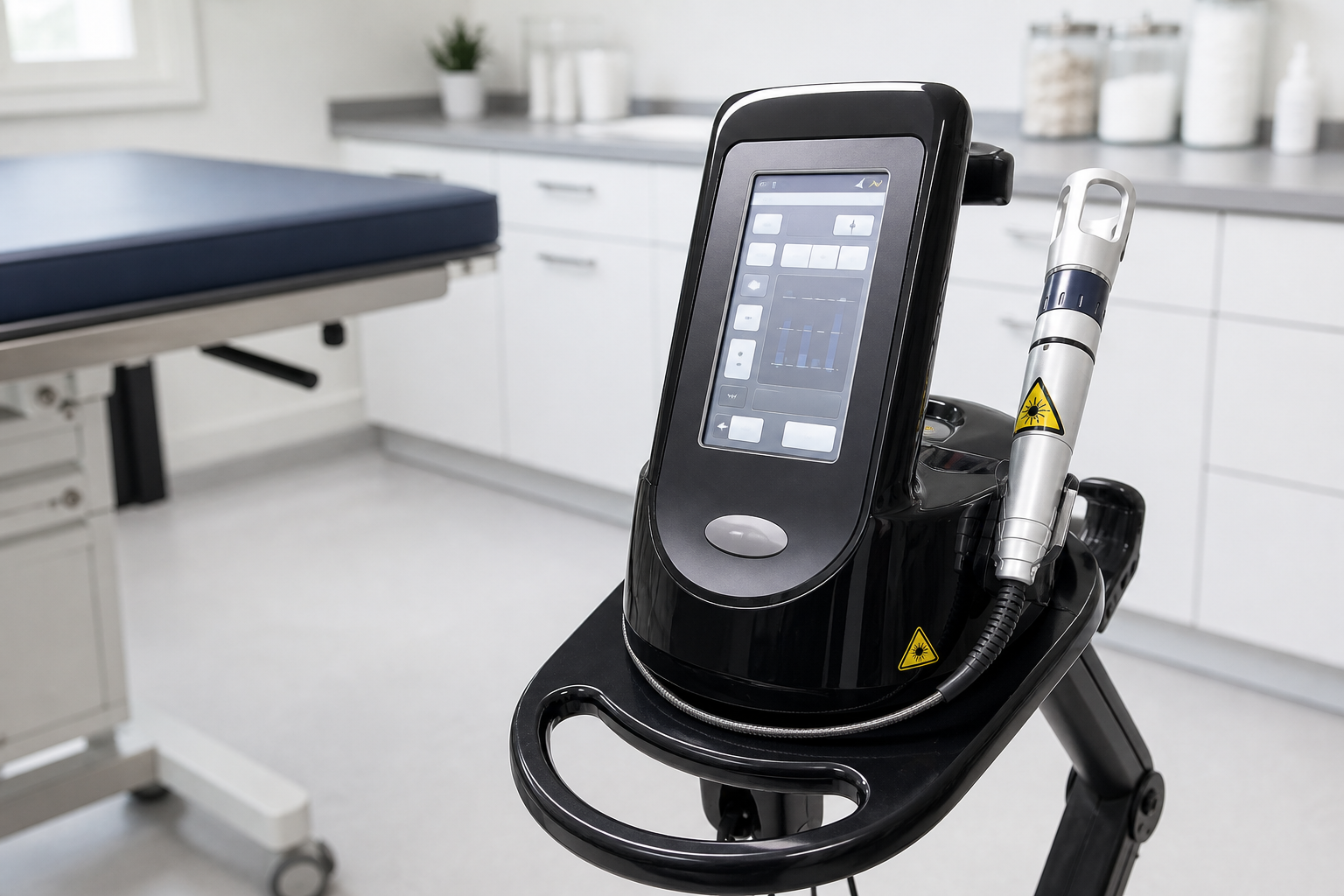
In the veterinary clinic
High-powered Class IV systems deliver a planned dose quickly, but they require trained operation and a tightly controlled treatment environment.
- More stressful setting: Travel, handling, unfamiliar smells, and the clinic environment can add stress for painful or anxious dogs.
- Strict eye protection: Direct and reflected Class IV light can injure eyes, so wavelength-appropriate protection is required for the pet and everyone in the treatment area.
- Heat and skin risk: High-power delivery can heat tissue. Incorrect technique or dosing can burn skin and may singe fur.
- Short, monitored sessions: Treatments are typically brief and administered by trained veterinary staff.
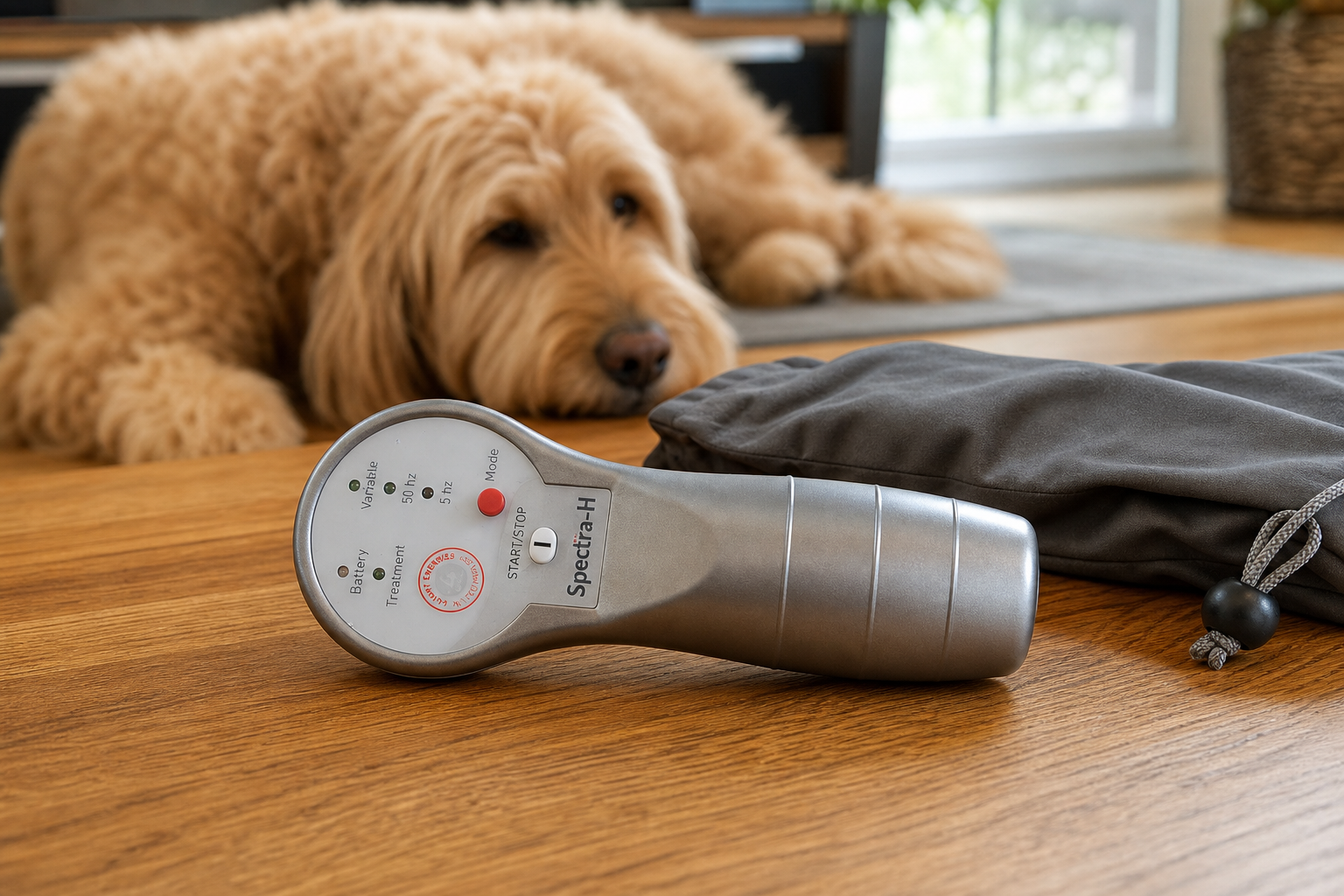
At home with the Spectra H
Lower-powered treatment makes consistent therapy possible in the place where many dogs feel safest and most relaxed.
- Less stressful for the dog: No car ride, waiting room, repeated handling, or unfamiliar clinic environment.
- Controlled 5 to 15 minute sessions: A lower-power device delivers light over a longer session, based on the treatment plan and body area.
- Designed to remain non-heating: Appropriate home-care use reduces the heat-management concerns associated with high-powered Class IV treatment.
- Device-specific eye safety: Many true Class I products do not require protective eyewear during normal use, but always follow the device label and instructions and never aim any laser toward the eyes.
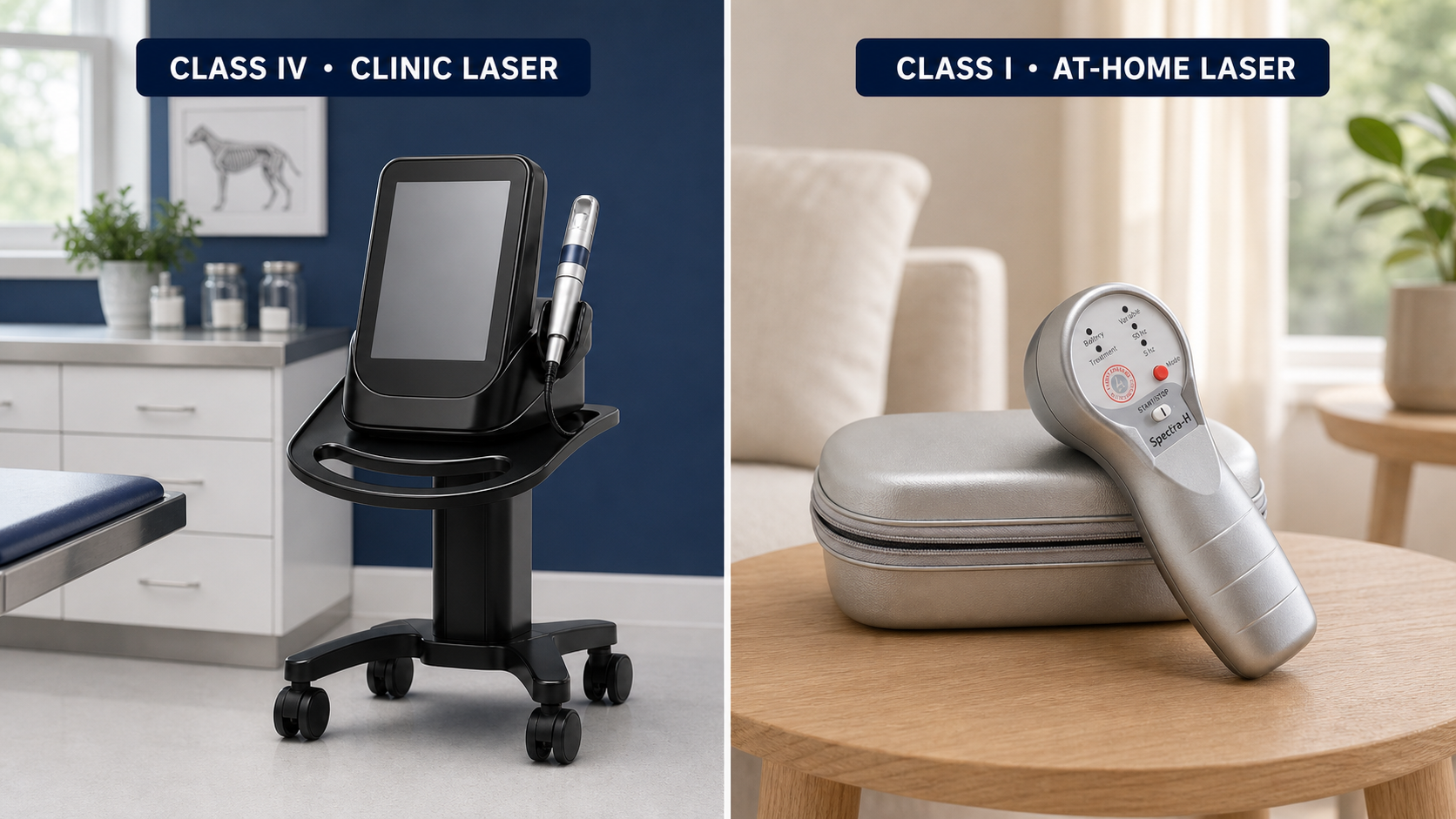
Class 4 Vet Clinic Laser vs Home Low-Level Laser for Dogs
A practical side-by-side guide to power, safety precautions, treatment time, stress, and choosing the right setting for your dog.
Clear answers for pet parents.
Does cold laser therapy hurt?
A properly performed low-level laser treatment should be comfortable. Many pets rest quietly during a session. Stop and seek guidance if a pet appears painful or distressed.
Is cold laser the same as red light therapy?
The terms can overlap, but devices differ. Some use only visible red light, while therapeutic laser systems may combine red and infrared wavelengths intended for different tissue depths.
How quickly will I see a change?
Response varies with the condition, severity, device, dose, and treatment schedule. Comfort may change before the underlying tissue has fully healed, so activity restrictions and the rest of the veterinary plan still matter.
Can laser therapy replace medication or surgery?
Not automatically. It is often one part of a broader treatment plan. Decisions about medication, imaging, surgery, rehabilitation, or other care belong with your veterinarian.
Can I use a laser at home every day?
Some home-care plans use frequent sessions, but the correct schedule depends on the device and the pet. Use the manufacturer’s instructions and individualized veterinary guidance.
Explore Dr. Candy’s Laser Therapy Guides
Start with the featured guide below for a clear overview of low-level laser therapy in dogs. As new condition-specific and home-treatment resources are completed, they will be added here for easy reference.
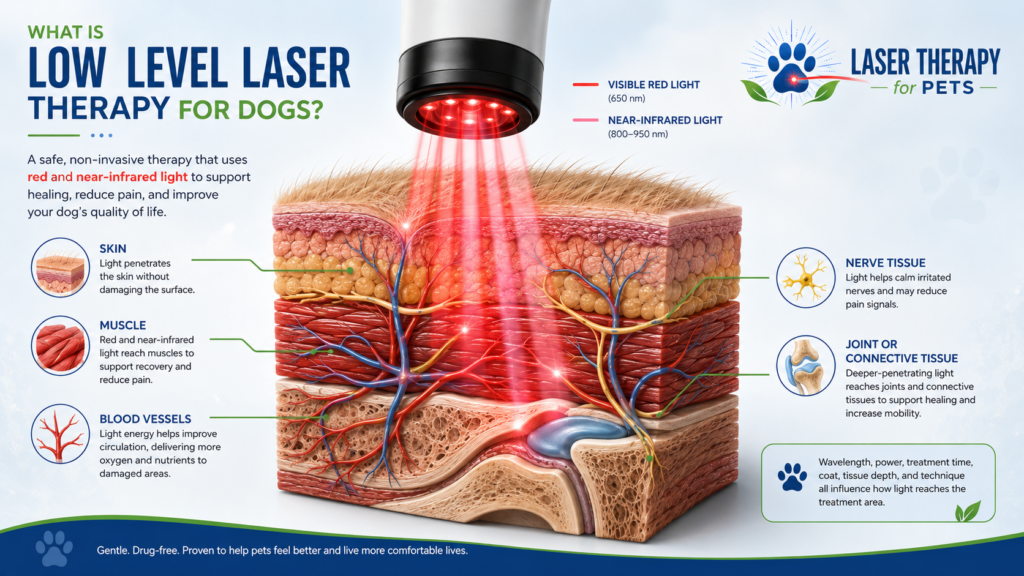
Low-Level Laser Therapy in Dogs: Dr. Candy Explains
Learn how therapeutic light may influence pain, inflammation, circulation, cellular energy, and tissue repair in dogs.
Read the complete guide →